
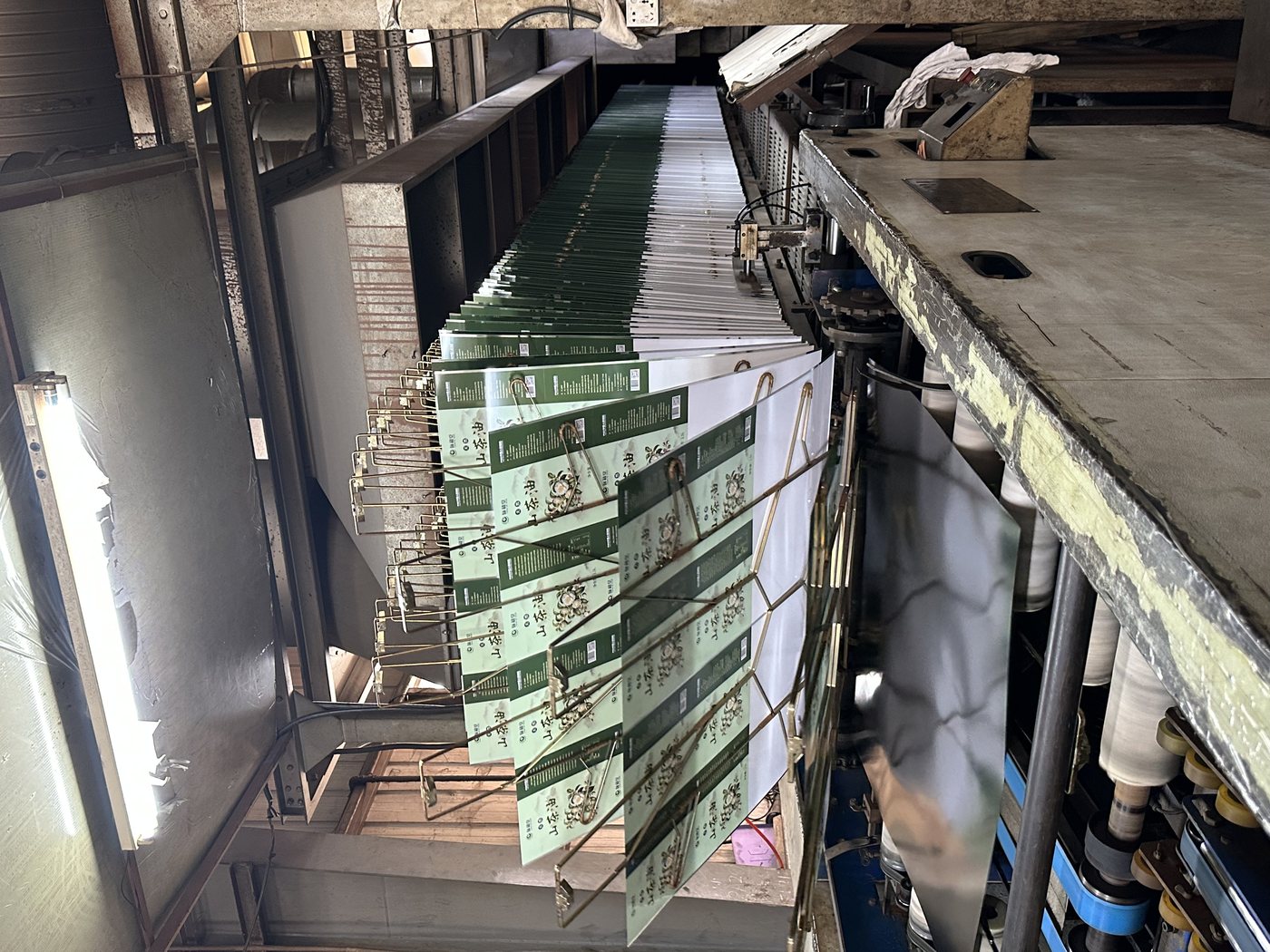
A custom tin project should move through controlled approval gates: requirement review, structure and mold confirmation, artwork and material definition, sampling, production release, in-process control, final inspection, packing and shipment preparation. Buyers prevent most delays by approving the right evidence at each gate instead of treating the final sample as the only decision point.
Buyer approval gates at a glance
| Gate | Junmei prepares or reviews | Buyer confirms | Output that should be locked |
|---|---|---|---|
| 1. Requirement review | Product fit, mold options, process feasibility and initial assumptions | Product, quantity, target market, use, timing and priorities | Written project brief and open-question list |
| 2. Structure | Dimensions, lid, components, insert and tooling route | Usable space, opening, pack arrangement and proprietary requirements | Confirmed structure or mold proposal |
| 3. Artwork and specification | Dieline, print feasibility, coating and finish details | Final copy, colors, brand assets, barcode and finish locations | Controlled artwork and specification version |
| 4. Sample | Sample manufacture and project-specific checks | Fit, function, appearance and stated acceptance points | Signed or otherwise documented sample approval |
| 5. Production release | Material, scheduling and control documents | Order, deposit and required approvals | Approved production release |
| 6. Production and QC | Printing, coating, cutting, forming, assembly, inspection and packing controls | Any agreed inspection attendance or third-party requirement | Inspection records and packed goods |
| 7. Shipment | Cartons, loading data and available freight support | Balance payment, shipping instruction and importer information | Released shipment and document set |
Gate 1: translate the buying request into factory inputs
The first factory review should establish what is fixed and what is still open. Junmei needs the product or sample, required size or capacity, contact method, total quantity and quantity per artwork, target market, packing expectation and required arrival date. A reference photo is useful, but it cannot replace product fit and internal-clearance information.
Junmei’s starting MOQ for custom production is 3,000 pieces. The final MOQ depends on size, structure, printing, number of designs and tooling. A qualified inquiry normally receives a response within 24 hours; a responsible first response may request missing information rather than present an unsupported final price.
Use the custom tin RFQ checklist to prepare the brief.
Gate 2: confirm the structure before decorating it
Junmei reviews existing molds first, then assesses new tooling when the required size, shape or function cannot be met appropriately. The structure review includes external and usable internal dimensions, lid type, component fit, window or handle, insert, headspace and export packout.
For dry-food projects, the review should also identify direct contact versus an inner bag, paper, cup, tray or liner. Moisture protection and lid fit can be strong across many tin formats, but any strict airtight requirement must be assigned to a suitable structure and agreed verification method.
Gate 3: lock artwork, material and process instructions
Artwork must use the approved dieline and identify colors, white or metallic areas, varnish direction, emboss/deboss tooling and every version. The buyer approves final copy, claims, languages, barcodes and intellectual property. Junmei reviews production feasibility and can provide basic layout or practical optimization support.
Material grade, thickness and internal coating are selected for the actual structure, intended use and market. They should not be copied from an unrelated report or treated as one universal factory specification. The artwork preparation guide explains the file-control requirements.
Gate 4: use the sample as a defined decision record
Samples are usually completed in 3–7 working days after the necessary specification and artwork are confirmed. Timing changes when new tooling, revisions, special components or external testing are involved.
The sample review should record dimensions, lid fit, opening, print, color reference, finish, embossing, coating, insert fit and packing arrangement. If sealing, drop, vibration or another functional test matters, define the method and acceptance point for that project. An attractive sample does not automatically approve every functional or legal requirement.
Junmei retains approved samples and color references to support production and repeat-order control. Buyers can use the sample approval checklist as the decision record.
Gate 5: release production only from the approved baseline
Bulk production is typically about 25 days after required sample/artwork approval and order confirmation. Quantity, printing complexity, tooling, special processes and current capacity can change the schedule; shipping time is separate. Payment is normally 50% deposit and balance before shipment, subject to the final pro forma invoice or contract.
The production release should name the current artwork, structure, coating, components, packout and inspection criteria. Late changes must be reviewed for material already purchased, work already completed, new cost and schedule impact.
Gate 6: coordinate in-house manufacturing and inspection
Junmei integrates core stages including artwork support, tooling, printing/coating coordination, cutting, forming, assembly, quality control, packing, warehousing and loading. Controls may include incoming material review, print and coating checks, dimensional and lid-fit checks, forming/assembly review, visual inspection, sealing verification and project-specific drop or vibration testing.
The exact test scope and sampling method must match the product and agreed specification. Review Junmei’s manufacturing capabilities and quality control approach for the underlying factory evidence.
Gate 7: release packing and shipment deliberately
Confirm pieces per carton, protective layers, pallets if required, carton marks, shipping destination and documentation before goods are packed. Junmei can provide freight quotations and shipping support, but route, insurance, duties, importer responsibilities and delivery terms remain project-specific.
To start a controlled production plan, send the product, quantity, artwork status, market and required arrival date through the RFQ form. Junmei will return the missing inputs and proposed approval sequence before production is released.