
Home / Products / By Industry
B2B coffee tin packaging
Custom Coffee Tins for Beans & Ground Coffee
Compare Junmei round, square, rectangular and special-shaped coffee tins for whole beans, ground coffee, private-label and gift programs. Start with verified outer dimensions, then confirm fill volume, contact method, closure, degassing strategy, printing and tooling for your project.
Product categories
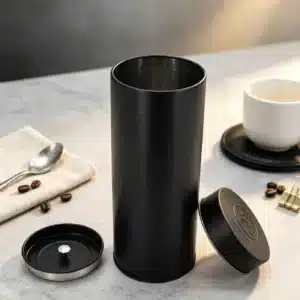
Custom tin format

Custom tin format
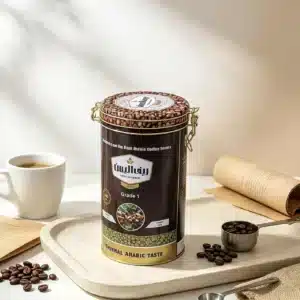
Custom tin format
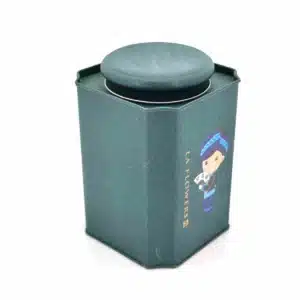
Custom tin format
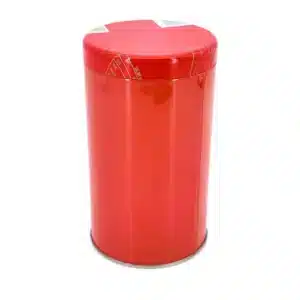
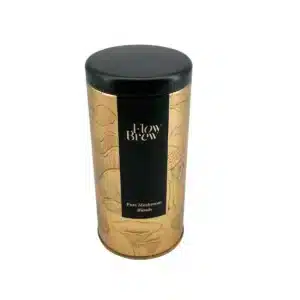
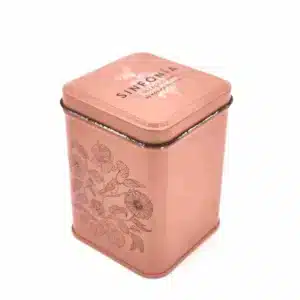
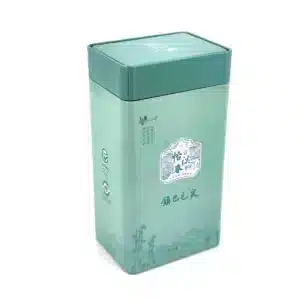
Custom tin format
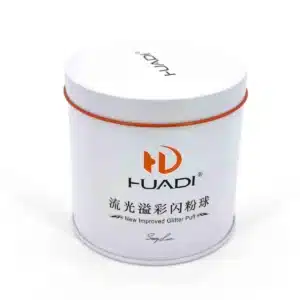
Custom tin format
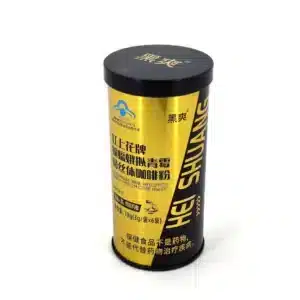
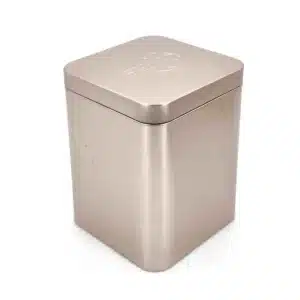
Custom tin format
Coffee packaging specification guide
How to Specify a Custom Coffee Tin Before Sampling
A target net weight or an outside tin size is not a complete coffee packaging specification. Whole beans and ground coffee can occupy different volumes, while the closure, inner pack, headspace and filling process affect usable capacity. Use the current catalog as a format shortlist, then validate the selected tin with your coffee sample, fill data or finished inner pack.
Define the coffee and filling method first.
State whether the pack is for whole beans or ground coffee, the target net weight or fill volume, and the intended retail, refill or gift use. If available, send a coffee sample, bulk-density data and the expected interval between roasting and filling.
Coffee beans and ground coffee can be packed in direct contact with the tin, inside an inner bag, with a liner or in another custom inner-pack arrangement. Junmei supplies the empty tins; coffee filling and related line operations are normally completed by the customer or its packing partner after delivery. Material, inner coating, contact method and supporting documents are reviewed for the intended use and target market.
Confirm capacity from fill volume, not net weight alone.
Dimensions on the product cards describe the outside of the container. Curling, lid engagement, an inner lid, an inner bag, a scoop or insert and the required headspace all reduce the usable internal space.
Do not assume that one external size always holds 100g, 250g, 500g or 1kg of coffee. Send the actual coffee sample, required fill volume, bulk density or finished inner-pack dimensions. Junmei can compare suitable formats and review the packout before capacity is confirmed.
Shape, closure & use
Match shape, closure and repeated opening to the selling format.
Round tins suit classic coffee canister presentations and continuous artwork. Square and rectangular tins offer alternative shelf, carton and label-panel footprints. Special-shaped tins can support gift or promotional concepts but require closer forming, artwork and tooling review.
Junmei can provide or evaluate slip lids, plug lids, metal inner lids, double-lid structures, lever closures, silicone seals, scoops and inserts according to the project. The final combination depends on the selected tin, dimensions, opening experience, filling interface, protection target and tooling rather than the shape name alone.
Classic canister presentation with a continuous print surface.
Alternative shelf, packout and shipping-carton footprints with defined print panels.
Distinctive gift presentation with closer structure, artwork and tooling review.
Lid systems, seals, scoops and inserts are matched to the approved format and use requirements.
Protection target
Separate light, moisture, aroma and airtight requirements.
The metal body provides an opaque barrier to light, but the complete package still depends on the closure, inner pack, opening frequency and filling conditions. Most Junmei tin formats are designed for reliable lid fit and strong moisture protection, especially for food packaging applications.
If strict airtight performance or another defined barrier target is required, specify the coffee, closure, inner pack, use conditions and acceptance method. Junmei can then review an appropriate lid-fit, air-leak, customer-specified or third-party verification route. No universal shelf-life result is assumed from the word “tin” alone.
Review quality controls and project-document scope →- Light
- Confirm how the metal body and any other package components fit the intended retail and storage conditions.
- Moisture
- Review lid fit, inner pack, opening frequency and the required verification route together.
- Aroma & Air
- Define the closure, filling conditions and barrier target rather than relying on a generic canister claim.
- Project Tests
- Agree the method, sample and acceptance criteria when strict performance must be demonstrated.
Degassing & filling interface
Plan degassing and the customer’s filling process together.
Freshly roasted coffee may release gas, so the roast-to-fill interval and degassing method should be defined before the package structure is approved. A project may use a customer-selected filling interval, a valve-equipped inner bag or another validated packaging approach.
A one-way degassing valve is not a standard add-on for an existing metal coffee tin. If a valve integrated into the tin is required, it must be evaluated as a dedicated tooling project, with the valve location, component, structure and functional or sealing test agreed for the approved design.
Junmei can review tin dimensions, closure and structural interfaces against a customer’s nitrogen-flushing, vacuum, seaming or filling-line requirements. Junmei normally supplies the empty tins; nitrogen flushing, vacuum processing, seaming and coffee filling are completed by the customer or its filling partner after delivery.
Coffee type, roast-to-fill interval, inner pack, headspace and proposed degassing route.
Tooling, valve component, location, structure and test criteria are confirmed for the approved design.
The customer or filling partner performs nitrogen flushing, vacuum, seaming and coffee filling after tin delivery.
Print, finish & repeat orders
Coordinate printing, finishes and repeat-order versions with the structure.
Junmei evaluates CMYK or Pantone spot-color printing, varnish, metallic effects, embossing and debossing against the selected tin, forming areas and artwork. Coffee programs with different roasts, origins, flavors or gift versions should state how many artworks share the same structure.
Approved samples or color references can be retained and used for artwork-version and production-color comparison. This supports repeat-order control while final color standards, tolerances and retained-reference details remain project-specific.
Commercial planning & RFQ
Plan MOQ, samples and production from a complete Coffee brief.
Starts from 3,000 pieces. Final MOQ depends on size, structure, closure, printing requirements, artwork versions, accessories and tooling.
Typically ready in 3–7 working days after specifications and artwork are confirmed. Fill trials, dedicated tooling, a special closure, insert or finish can change the sampling plan.
Typically about 25 days after the required sample or artwork approval and order confirmation. Shipping time and the customer’s coffee filling schedule are not included.
Prepare your brief
Send enough information to check the fill, closure and interface.With these inputs, Junmei can compare relevant formats and identify what still requires capacity, closure, material, tooling or test confirmation.
Send the Coffee project brief when your requirements are ready.
- Whole bean or ground coffee, target net weight or fill volume
- Coffee sample, bulk density or finished inner-pack dimensions
- Roast-to-fill interval and proposed degassing method
- Contact method, inner bag, liner or other inner-pack direction
- Shape, closure, seal, scoop, insert and opening requirement
- Nitrogen, vacuum, seaming or filling-line interface to support
- Quantity, artwork versions, market, documents and tests
- Artwork, delivery date and shipping destination
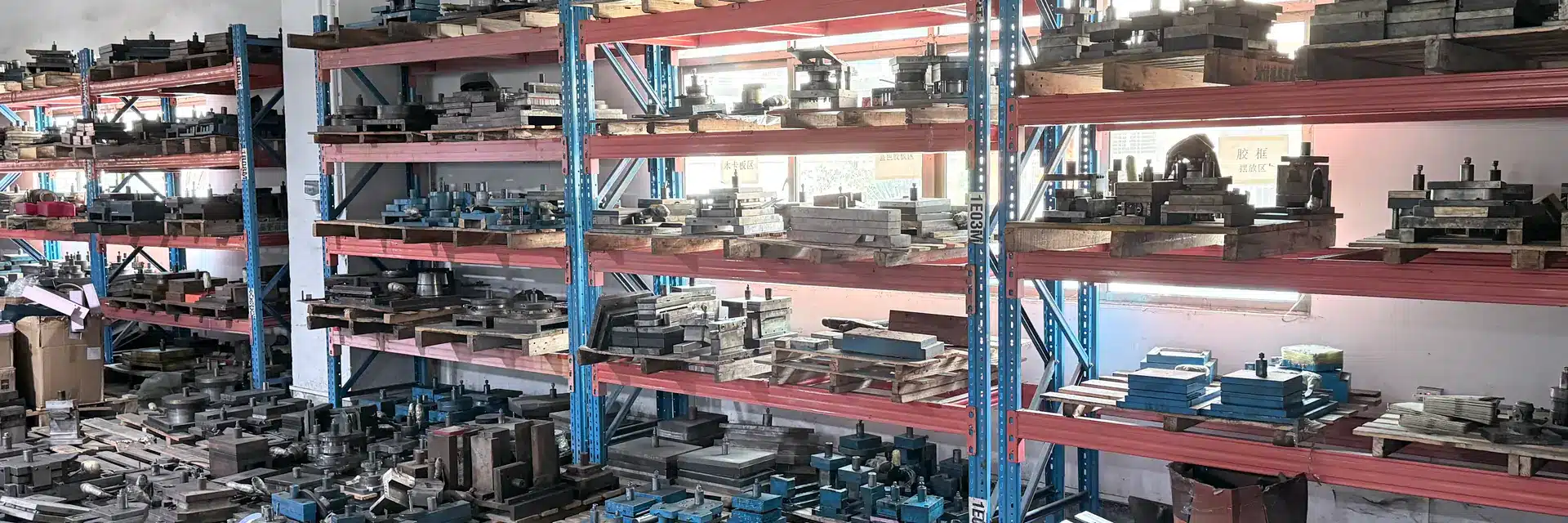
Coffee packaging project review
Need a Coffee Tin Matched to Your Fill and Closure?
Send the coffee type, target net weight or fill volume, inner-pack method, preferred shape or closure, degassing or customer-filling requirement, quantity, target market and artwork reference. Junmei will compare current formats and identify what still requires capacity, structure, tooling or test confirmation.
- Coffee & fill volume
- Inner-pack method
- Closure & filling interface
- Quantity & target market