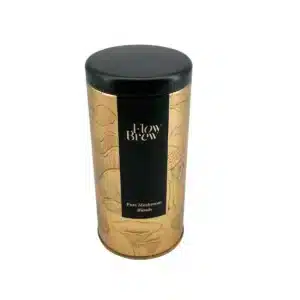
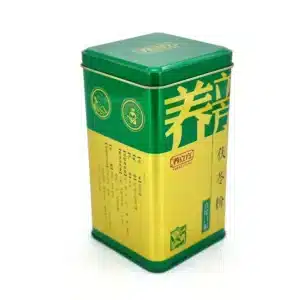
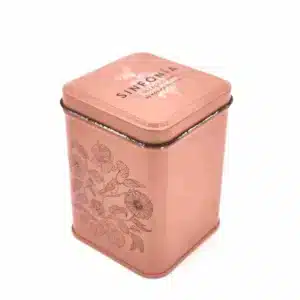
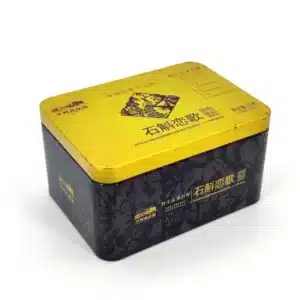
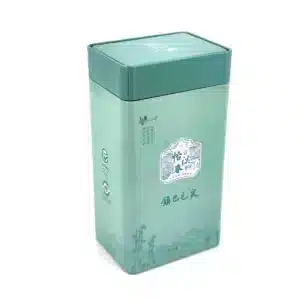
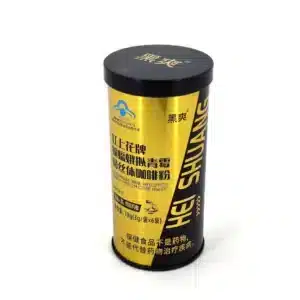
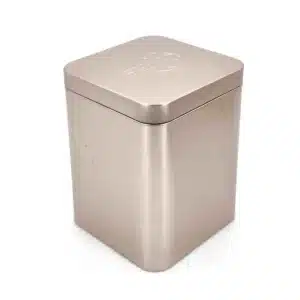
01Define the dry-food application and use environment first.
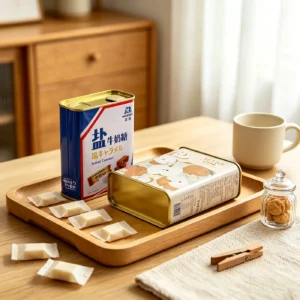
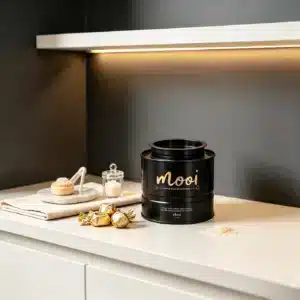
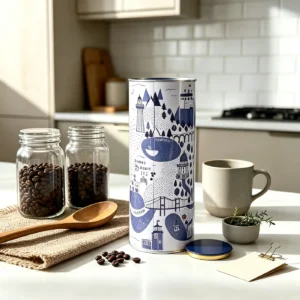
Junmei food storage tins are commonly evaluated for tea, coffee, cookies, dry foods, ingredients and similar low-moisture products. State whether the pack is a primary retail package, a refill canister, a gift pack or a reusable secondary container, and describe how often it will be opened.
These pages do not position tin boxes as liquid containers, pressure vessels or universally dishwasher-safe products. Product condition, filling method, storage environment and cleaning instructions must be agreed for the actual project.
02Size the usable interior from product volume or the inner pack.
Nominal outside dimensions do not prove a fill weight. Tea leaves, coffee, cookies, powders and ingredients have different bulk density, settling and headspace needs. Junmei normally evaluates a product sample, target fill volume, count, bulk-density information or the dimensions of the filled inner bag.
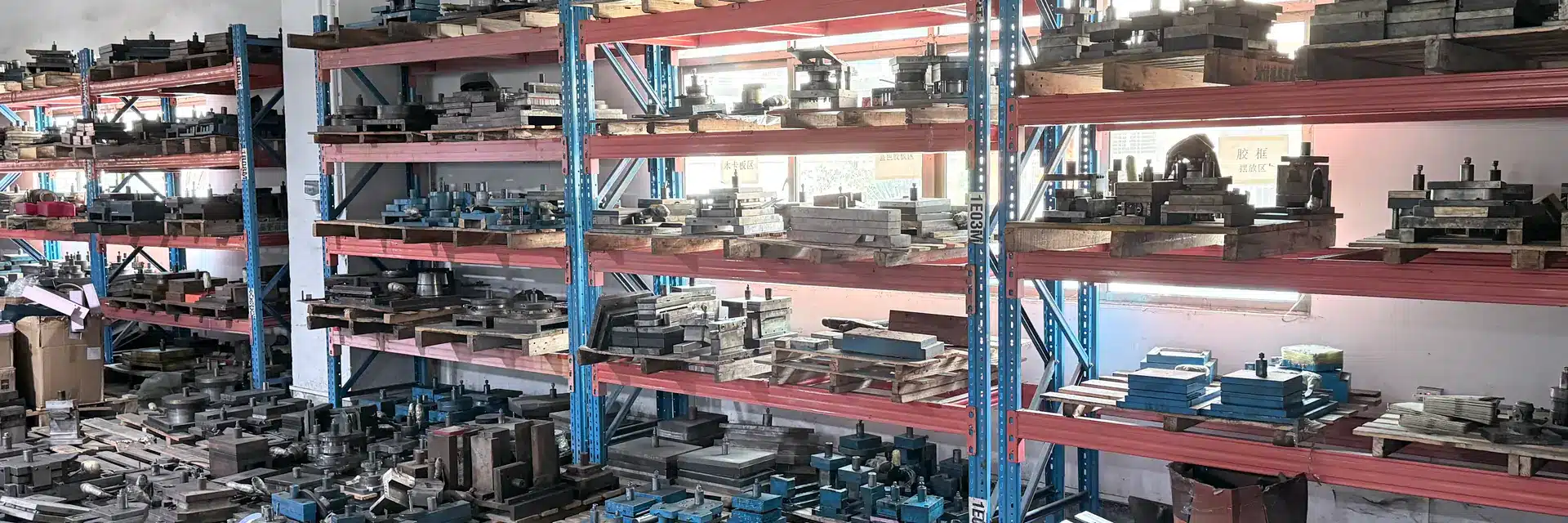
Allow for lid engagement, seams, radii, rolled edges and any liner, cup, tray or insert. A current mold can shorten development only when its usable interior and closure fit the confirmed packout.
03Select shape, stacking and nesting around handling.
Round tins suit scoop access and continuous decoration; square and rectangular tins use shelf and carton space differently. Shallow tins can support presentation, while taller canisters may suit bulk dry products. Stackability and nestability are separate requirements and should be tested with the selected lid, base and packing arrangement.
For repeat retail or kitchen use, also define grip, opening frequency, label area and the expected method of cleaning. Final handling guidance is based on the approved material, print finish and interior system.
04Match direct contact, inner packaging and moisture protection.
Tea, coffee, cookies, dry foods and ingredients may be packed in direct contact with a project-selected tin, or with an inner bag, liner, paper, tray, cup or insert. Tinplate, inner coating, contact materials and supporting documents are confirmed for the contents and target market.
Junmei can evaluate lid fit, closure consistency and project-specific sealing or moisture-protection performance. Good moisture resistance does not make every tin a hermetic or pressure-rated container; a strict airtight requirement needs a defined structure, test method and acceptance criteria.
05Plan inserts, dispensing and the filling interface where needed.
Depending on the product, a food storage project may require a liner, divider, product tray, scoop location, inner lid or another dispensing component. The packed product, opening sequence and user access should be reviewed together so the accessory does not obstruct lid engagement or reduce usable space unexpectedly.
Junmei normally supplies empty tins, but packing or final-sealing support can also be assessed for suitable orders. The responsibility split among Junmei, the customer and any filling partner is confirmed before quotation and sampling.
06Control decoration, repeat orders and transport as one system.
CMYK or Pantone spot-color printing, varnish, metallic effects, embossing and debossing are evaluated against the selected shape and formed areas. If one storage format carries several products, markets or artworks, provide a version matrix and quantity by design.
Approved samples or color references can support repeat-order comparison. Carton layout, dividers, surface protection, stacking and project-specific drop or vibration checks are planned around the approved tin and shipment—not assumed from a generic catalog format.
07Send a complete brief before mold or sample commitment.
MOQ
Starts from 3,000 pieces. Final MOQ depends on size, structure, printing, artwork versions, accessories, packing and tooling.
Samples
Typically ready in 3–7 working days after specifications and artwork are confirmed. Product-fit trials, accessories, special finishes or new tooling can change the plan.
Bulk Production
Typically about 25 days after required sample or artwork approval and order confirmation. Final timing depends on quantity, versions, structure, accessories, packing and production loading.
For a useful recommendation, send:
- dry-food type, target fill volume or count and product sample when available
- bulk density or filled inner-bag dimensions where relevant
- direct-contact, liner, bag, tray, cup, insert or dispensing direction
- preferred shape, approximate dimensions, lid and opening frequency
- moisture-protection, stacking, nesting and cleaning requirements
- artwork files, finish, version matrix and quantities
- target market, material-document and test requirements
- packing, delivery destination and required delivery date.
With these inputs, Junmei can compare current food storage tins and identify what still requires fit, closure, material, tooling, packing or project-test confirmation.