
Tin Box Design Guide for Custom Packaging Projects
A practical guide for preparing size, structure, artwork, printing and finishing details before a physical sample is approved.
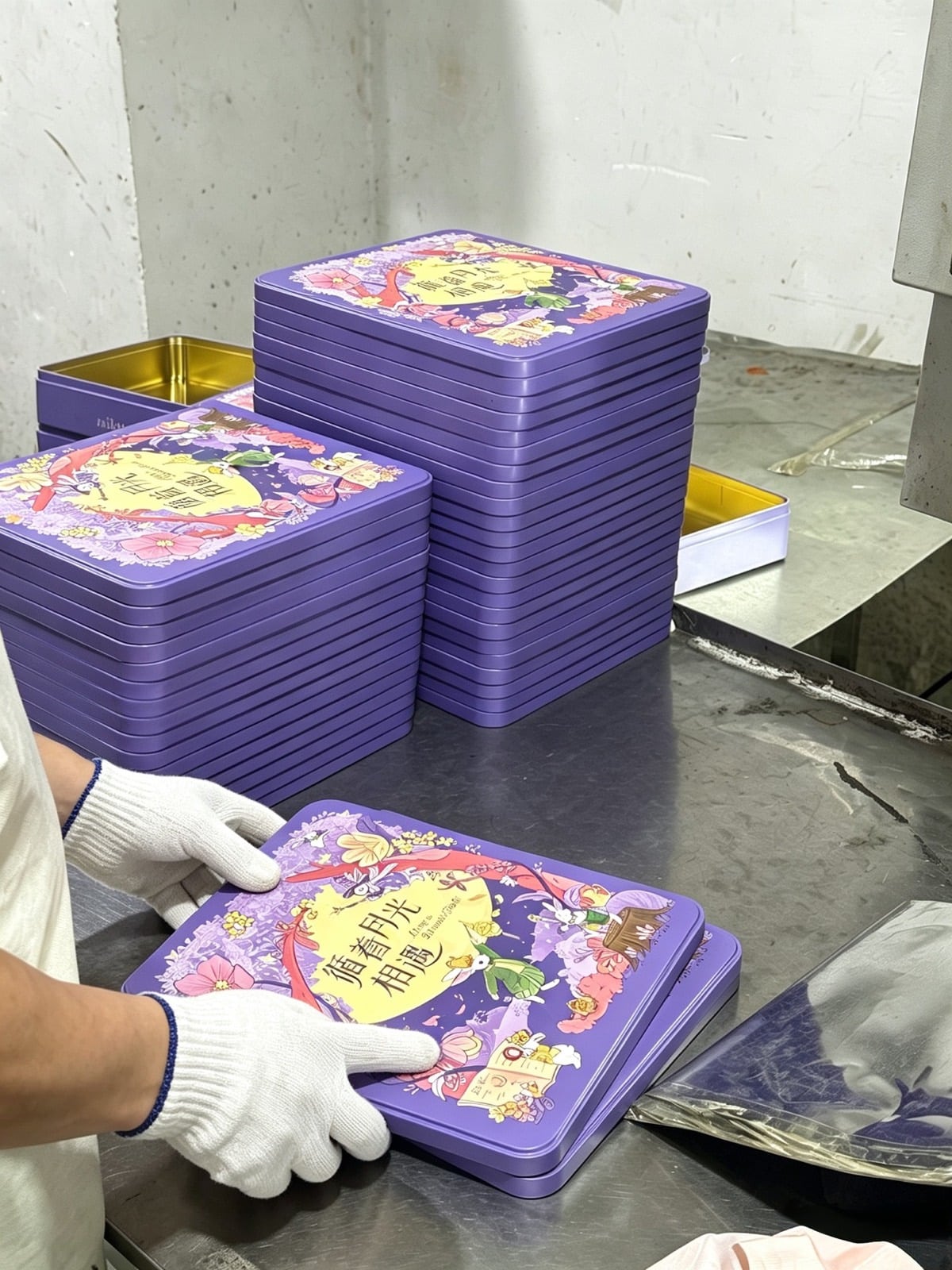
Start with what must fit, how it will be packed and where it will be sold.
A reliable tin specification begins with the contents and complete packout. Product dimensions, fill behavior, inner packing, opening method and destination-market requirements should be reviewed before the outer appearance is finalized. Use the detailed guides to prepare production-ready tin artwork and compare embossing, debossing and finish options.
What product and quantity must fit?
Share the product dimensions, piece count, target fill volume or bulk-density information. A product sample is useful when shape, fragility or how the contents settle affects the usable space.
Will the contents touch the tin?
State whether the product will contact the tin directly or use an inner bag, liner, paper, tray, cup or insert. Tinplate, inner coating and supporting documents are then matched to the contents, contact method and target market.
What usable internal space is required?
Provide the product or packout dimensions, insertion direction, headspace and any tray or insert requirements. External dimensions are not the same as usable internal dimensions because seams and formed features reduce the available space.
Choose dimensions and structures around usable space—not an outer-size guess.
Junmei first compares the complete packout with existing formats. If no suitable option provides the required opening, usable volume, lid action or insert space, a new-tool route can be evaluated. Special shapes can strengthen a packaging concept, but tooling, metal utilization, packing efficiency and production feasibility must be considered together.


Existing format first
Usable internal space
Lid and packout fit
New tooling if needed
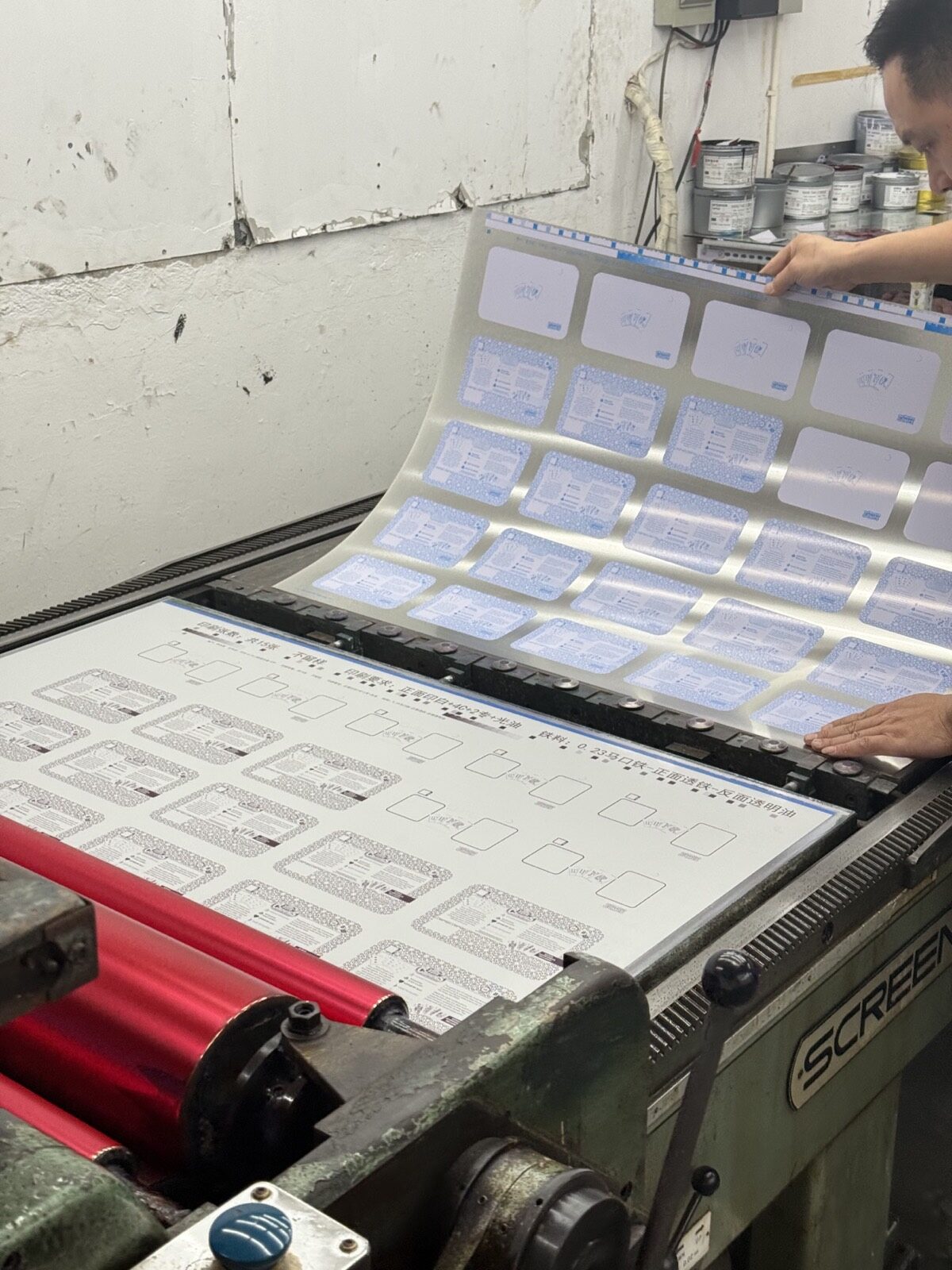
Plan the visual effect before the sample becomes the standard.
Color, varnish and surface detail react to metal differently from paper. The artwork, metal base and intended finish should be reviewed as one production system.
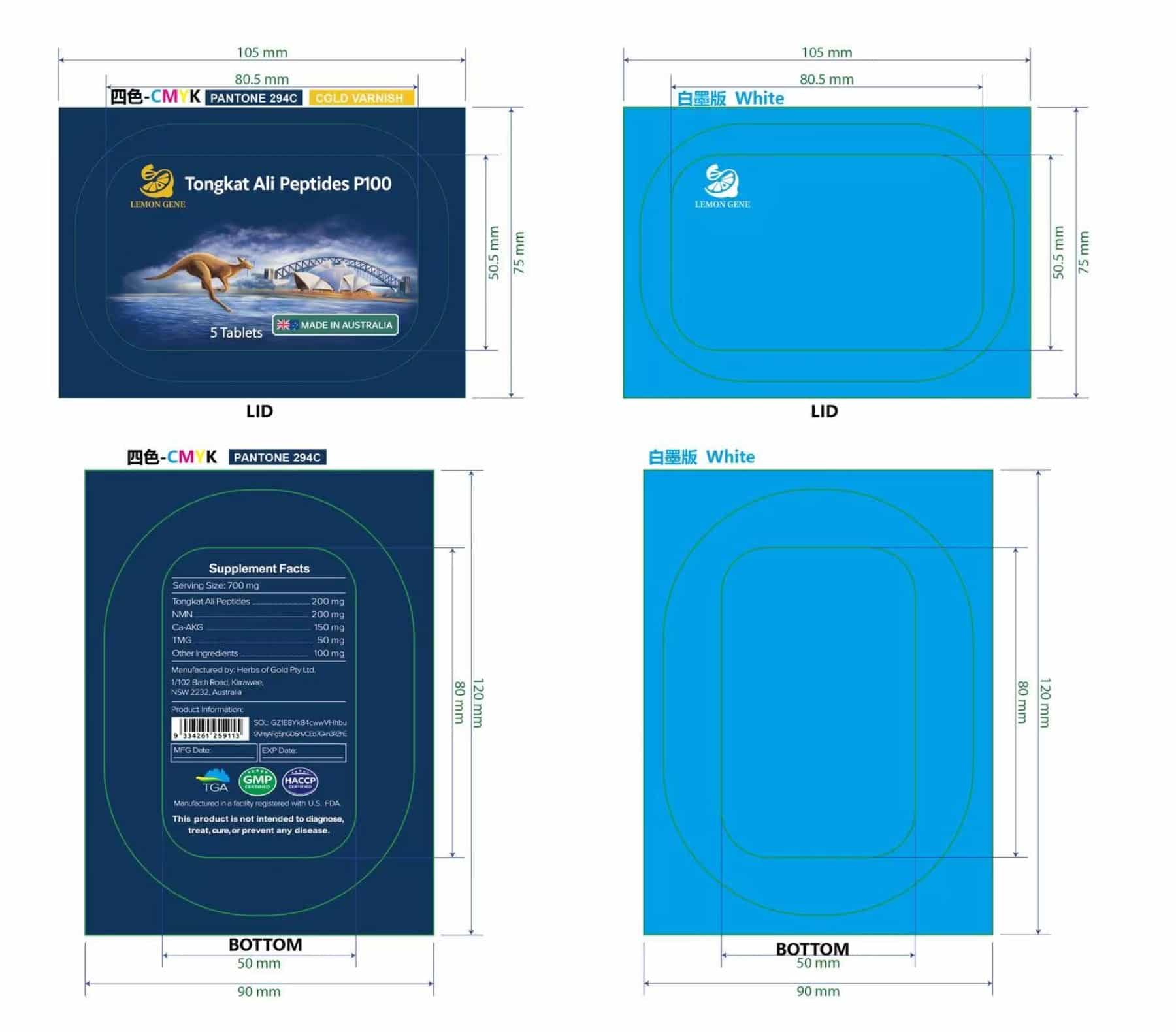
Give production a file it can actually check.
Clean source files and a confirmed dieline reduce repeated revisions. Junmei can flag production constraints, while the buyer approves the final brand artwork and color references.
Move from idea to an approval reference the factory can follow.
A physical sample helps confirm structure, lid fit, print color, embossing direction, interior treatment and packing details before mass production begins.
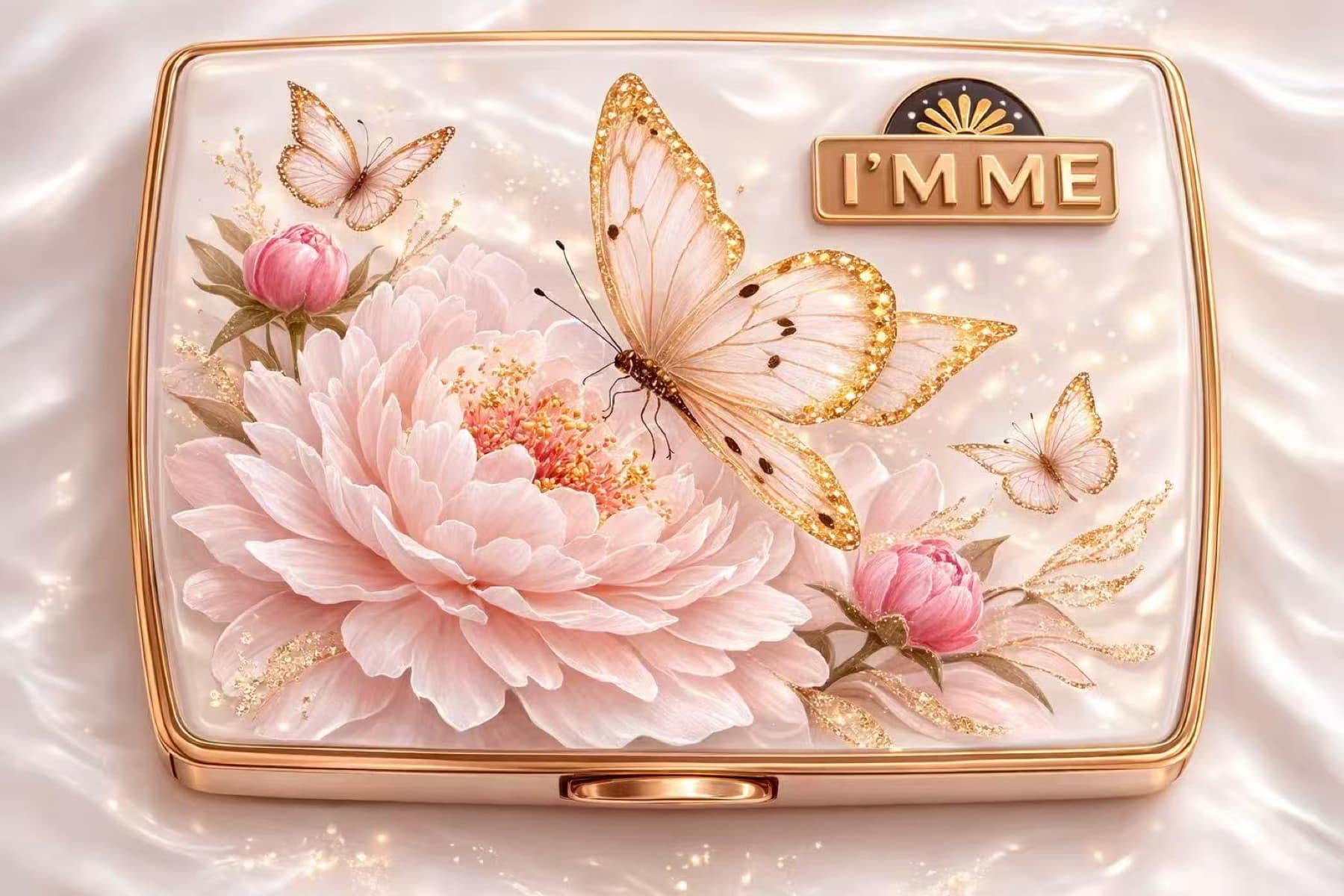
Customer reference
The buyer shares a visual idea, product need or comparable packaging reference. This image is a supplied concept reference, not a Junmei finished-product photograph.
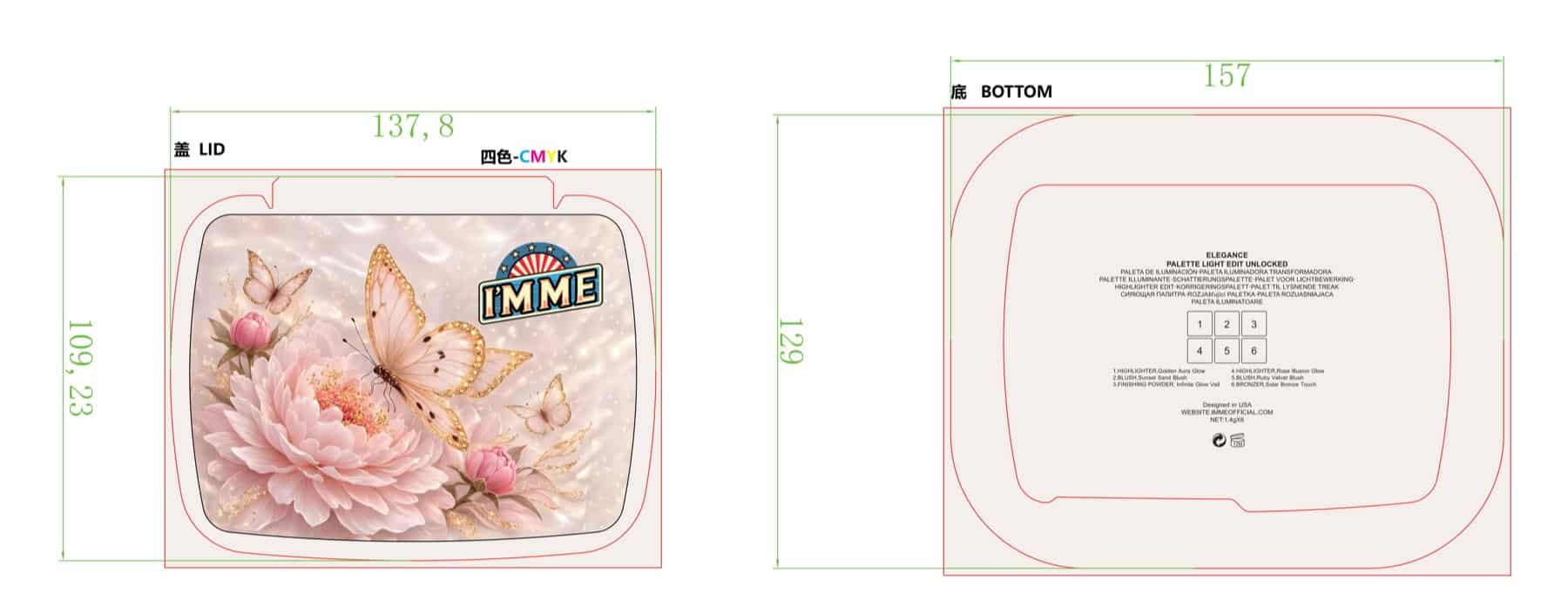
Production artwork
Junmei translates the approved direction into a structure-aware print layout and production dieline.
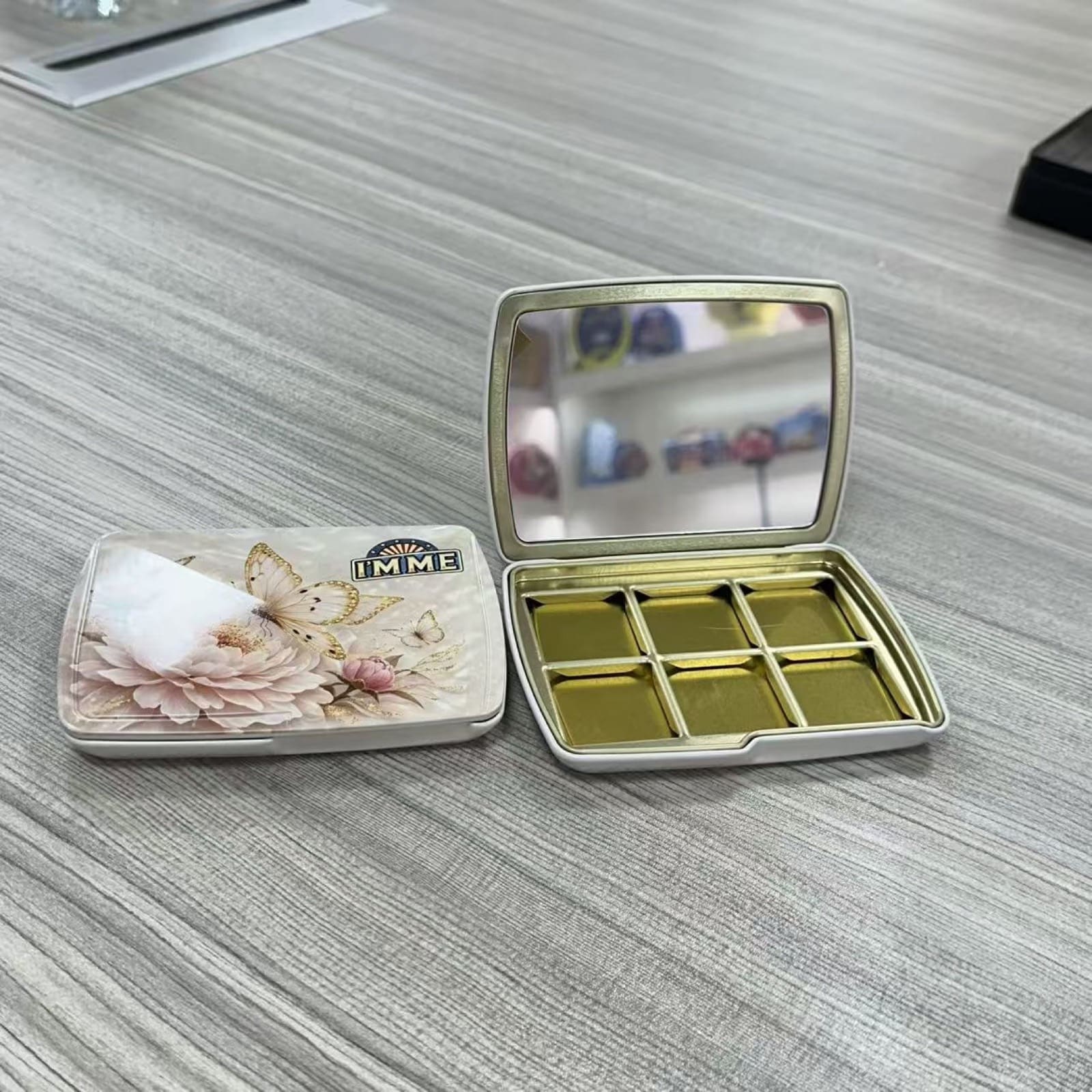
Finished sample
The physical result gives both sides a shared reference for appearance and production review.
Sample approval should cover: shape and size · lid fit · printing color · embossing effect · interior coating · packing method.
Send it for a practical production review.
Include the product dimensions, expected quantity, target market and delivery date so structure and artwork can be reviewed in the right context.