
Discuss an interior coating only after defining the food, direct or indirect contact, moisture/oil/acidity, filling temperature, storage and target market. There is no single universal coating for every product. Junmei matches the proposed tinplate and internal surface specification to the project, then confirms the evidence or testing scope required for approval.
First decide whether the food contacts the tin
Many products can be packed directly in an appropriately specified tin; others use an inner bag, greaseproof paper, liner, cup, tray or another primary pack. The contact method changes the questions that must be answered.
For direct contact, describe the real food and conditions. For indirect contact, identify the primary pack material and whether oils, aroma, moisture or migration through that layer are relevant. A decorative tin surrounding a sealed bag has a different contact role from a tin holding loose tea, cookies or candy directly.
Product-condition worksheet
| Input | Information to provide | Why it matters |
|---|---|---|
| Food type | Tea, coffee, cookies, chocolate, candy, spice, mint or another product | Different compositions create different contact questions |
| Physical form | Dry pieces, powder, granules, oily solid or other form | Influences surface exposure, abrasion and filling behavior |
| Contact method | Direct contact or type of inner pack/liner | Defines which surface and component evidence is relevant |
| Filling condition | Ambient, warm or another defined process | Temperature and process can affect suitability |
| Storage | Expected duration, temperature, humidity and distribution | Defines the practical exposure scenario |
| Product characteristics | Oil, acidity, aroma, moisture sensitivity or known compatibility concerns | Guides coating and barrier discussion |
| Market | Destination countries and customer requirements | Determines which documents or tests should be reviewed |
| Cleaning/reuse | Intended consumer instructions | Decorative food tins should not be assumed dishwasher-safe |
If the customer cannot disclose a full formulation, provide the product category, relevant risk characteristics and a representative sample under confidentiality arrangements where appropriate.
Coating selection is project-specific
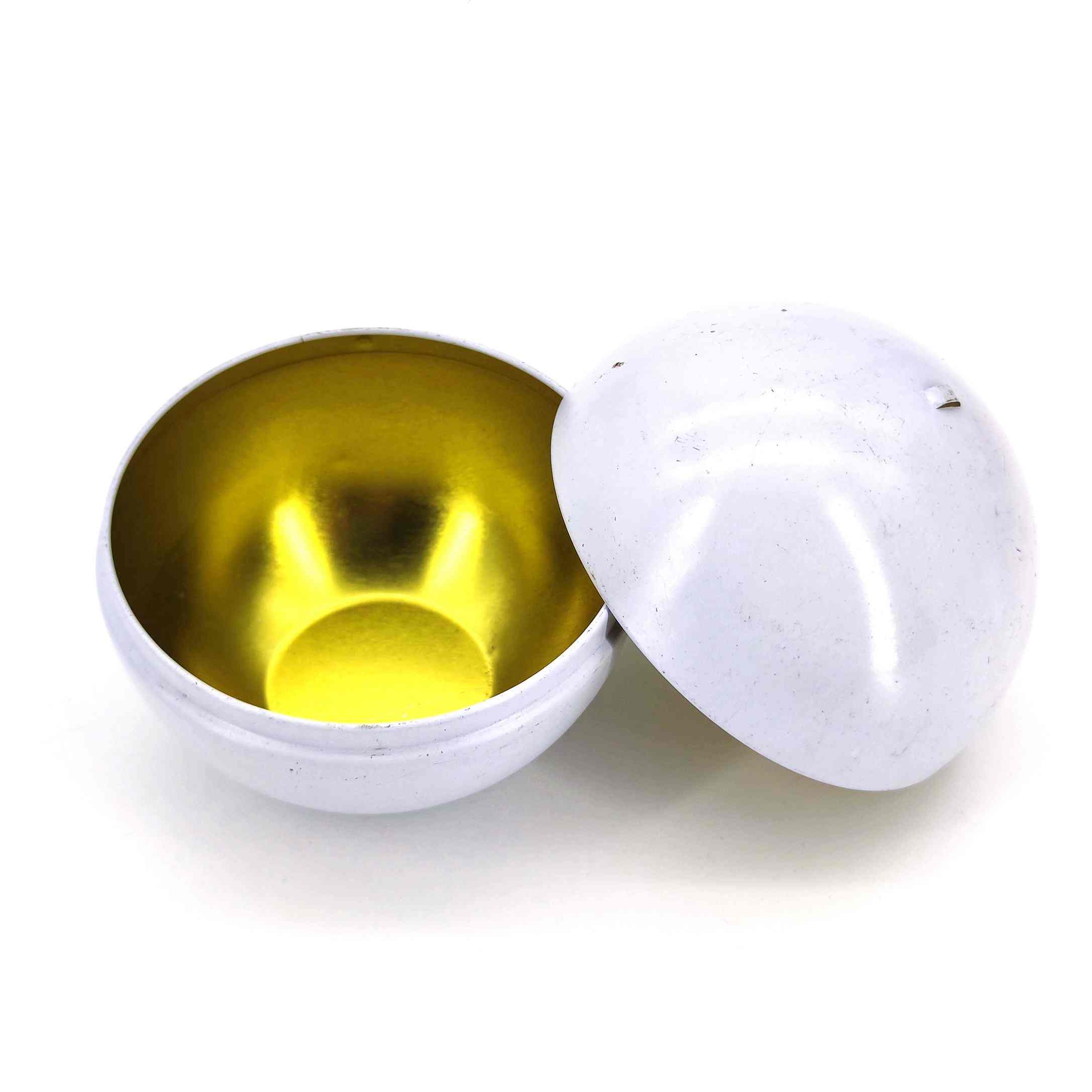
The internal surface may involve a clear, gold-colored or other agreed food-contact coating depending on the project. Color alone does not prove composition or suitability. The controlled specification should identify the material and coating rather than rely on visual description.
Junmei can review tinplate grade, thickness, coating, forming and intended use together. Thickness is not one universal number across all formats; it depends on the size, structure and performance needs. Forming also matters because the coated sheet is cut and shaped into the final tin.
Moisture protection and strict airtight claims are different
Food tins with well-matched lids can provide strong moisture protection for dry products. A strict airtight, hermetic, vacuum or pressure requirement is a separate functional claim. It should be attached to a suitable structure and an agreed test method, not assumed from a snug lid.
Junmei can perform lid-fit, sealing or air-leak checks and support customer or third-party protocols. Define the sample condition, test procedure and acceptance result. If the filler completes nitrogen flushing, vacuum, final sealing or another process, that system normally requires validation by the buyer or filling partner.
Review documents against the exact specification
The document set should identify the tested sample, material, coating, issuer, date, standard, food/contact conditions and result. A report for a different material or component must not be applied automatically. One current Junmei FDA-related report, for example, concerns an aluminum bottle and is not universal proof for tinplate packaging.
For US sourcing, the FDA’s conditions-of-use framework illustrates why food type, time and temperature matter. European buyers should review the European Commission’s food-contact materials framework and any material- or country-specific requirements. The companion food-contact document checklist explains how to test relevance.
Junmei can provide available reports and arrange or support testing to an agreed project scope. This is not a blanket promise that every tin is certified for every food, market or use.
Validate the complete pack
The final evaluation may need to cover more than the metal surface:
- Confirm the product and contact arrangement.
- Review the proposed tinplate and interior specification.
- Fit the real product, bag, liner, tray or insert.
- Test lid fit and any defined sealing requirement.
- Review filling, storage and shelf-life conditions with the responsible parties.
- Confirm the market document or test plan.
- Approve the physical sample and retain the reference.
The brand owner, filler and importer remain responsible for the formulation, final filled product, shelf-life validation, label and market placement. Junmei is responsible for manufacturing the empty tin to the confirmed project specification and supporting the agreed evidence and quality controls.
To discuss a food tin, send the product type or sample, direct/indirect contact method, fill and storage conditions, target market, proposed size and order quantity through the RFQ page. Junmei will review the structure, coating and document questions as one project.