
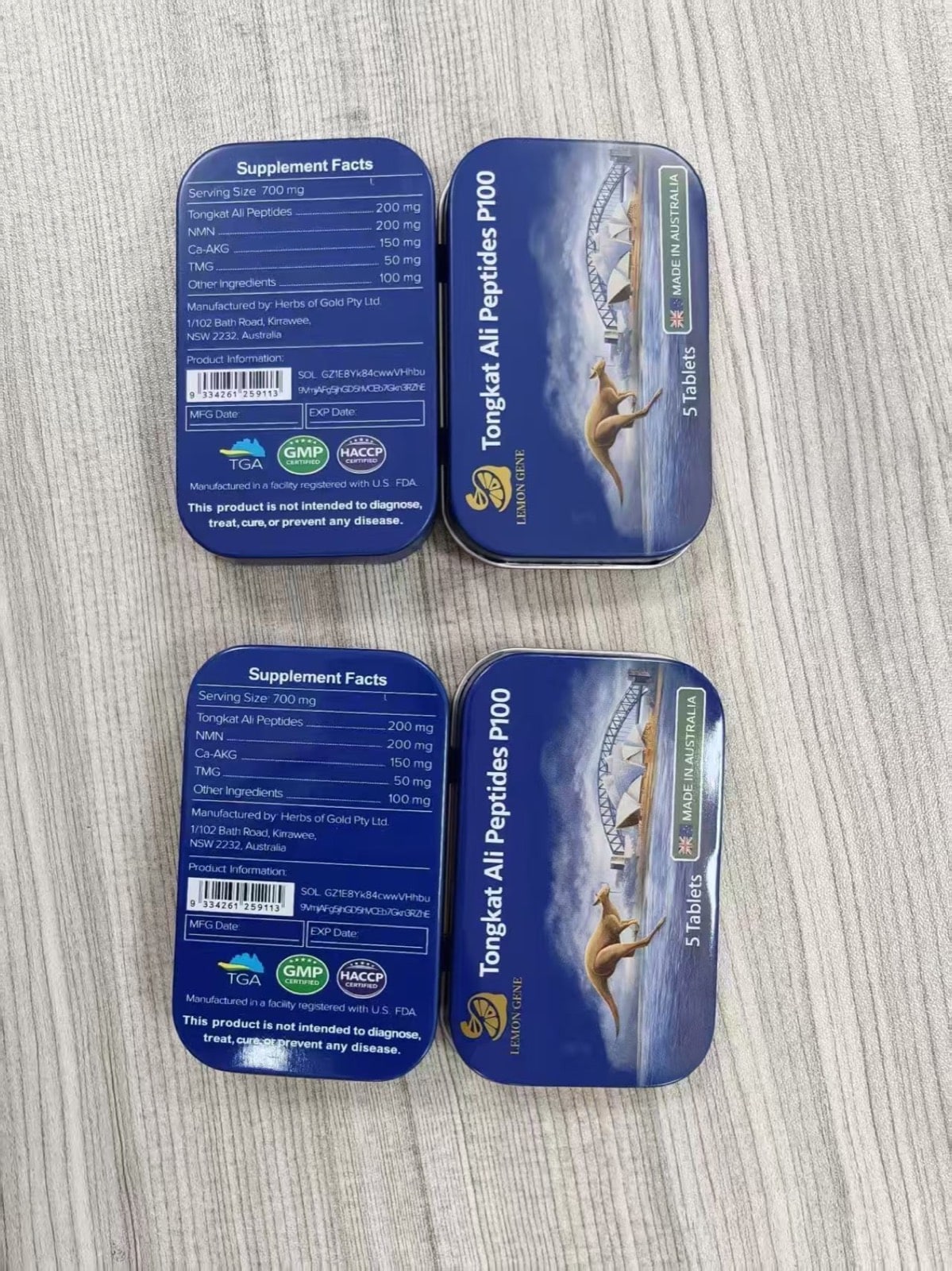
Prepare custom tin artwork on the exact approved dieline, using editable vector elements, identified colors and clearly separated production effects. A tin is formed after printing, so curved walls, rolled edges, seams, embossing and lid overlap can change how artwork appears. The factory should review both the flat file and the formed sample before mass production.
Begin with the approved structure and dieline
Do not finalize graphics before the tin structure is confirmed. The dieline must correspond to the selected mold, lid and component set. A file from a similar-looking tin may have different forming areas, seam positions or visible boundaries.
The working file should identify:
- each printed metal component, such as lid, body, bottom or inner lid;
- trim, forming and visible areas;
- safe areas for logos, small copy and barcodes;
- seam, rolled-edge, hinge, handle, window and closure positions;
- embossing, debossing or other tooling layers;
- orientation after forming and assembly.
Junmei can supply or confirm the applicable production layout after the structure review. See the broader tin box design guide for the decisions that should precede artwork approval.
Artwork handoff checklist
| Item | Preferred handoff | Check before sending |
|---|---|---|
| Master artwork | Editable AI, PDF or other agreed production file | Fonts outlined or supplied; linked images included |
| Logos and line art | Vector format | Correct version, proportions and clear space |
| Images | High-resolution at final scale | No missing links or unintended compression |
| Colors | CMYK values and/or named Pantone references as agreed | Spot colors and process colors clearly distinguished |
| Text | Final approved copy | Spelling, legal text, languages and hierarchy confirmed |
| Barcode/QR code | Vector or high-resolution asset | Buyer confirms data, size, quiet zone and scan validation |
| Special effects | Separate named layers | Exact location and whether effect is emboss, deboss, varnish or metallic direction |
| File version | One controlled master with date/version | Obsolete drafts removed from the approval chain |
The brand owner is responsible for final text, claims, trademarks, barcodes and other supplied intellectual property. Junmei checks production feasibility, but artwork approval is not a legal, translation or trademark clearance service.
Plan graphics for formed metal
Tin printing begins on flat sheet, while the customer sees a formed object. Artwork close to a bend, shoulder, rolled edge or drawn corner can shift visually or distort. Large continuous graphics across multiple formed surfaces need particular care.
Keep critical logos, faces, small copy and registration-sensitive elements away from high-deformation zones unless the effect has been intentionally tested. On rectangular and square tins, corner transitions should be reviewed. On round tins, the wrap direction, seam and front-facing orientation need to be clear. On special shapes, use the physical sample to judge balance rather than relying only on a flat screen proof.
Define color and finish as production instructions
“Red,” “gold” or “matte” is not a complete production specification. Provide Pantone references, CMYK values, an approved physical sample or another agreed color target. Then state which surfaces use gloss, matte, metallic appearance, exposed metal effect or other approved treatment.
The appearance of a printed color can change with the base metal, white undercoat, transparent ink, varnish and forming. Screen displays and office printouts are not reliable mass-production standards. Junmei can retain an approved sample and color reference for future orders, but reasonable industrial tolerances and confirmed reference conditions still apply.
Separate embossing and debossing from printed artwork
Embossing and debossing require a tooling and forming review. Supply the shape as a separate vector layer and avoid assuming that very fine text, sharp corners or artwork close to an edge can be reproduced exactly. The effect must align with the printed image after forming, so registration tolerance should be considered in the design.
If the raised or recessed feature is essential to the brand presentation, confirm its height, location and relationship to the printed boundary during sample approval. The related guide to embossing, debossing and tin finishes explains these trade-offs in more detail.
Use a controlled proof and sample sequence
A robust approval sequence is:
- Confirm the structure and production dieline.
- Submit one controlled artwork version.
- Complete factory prepress and feasibility review.
- Correct copy, color layers, forming zones and tooling marks.
- Approve the agreed digital or printed proof for content and layout.
- Produce and inspect the physical sample where required.
- Record the approved artwork version, color/finish reference and sample.
- Release mass production only after the defined approvals are complete.
Junmei usually completes samples in 3–7 working days after the necessary artwork and specification are confirmed. Additional revisions, new tooling or complex processes affect the schedule. Review how artwork approval connects to the production process before setting a launch date.
If the artwork is not ready
Send the logo, required copy, product information, reference packs and desired visual direction. Junmei can provide basic layout assistance and practical optimization for tin production. The scope should be agreed at quotation: this support does not imply unlimited creative concepts, original brand strategy or ownership of third-party assets.
For an artwork feasibility review, submit the proposed tin format, current file, color references, special effects, quantity and required date through the RFQ page. Junmei will identify missing production information before sampling.