
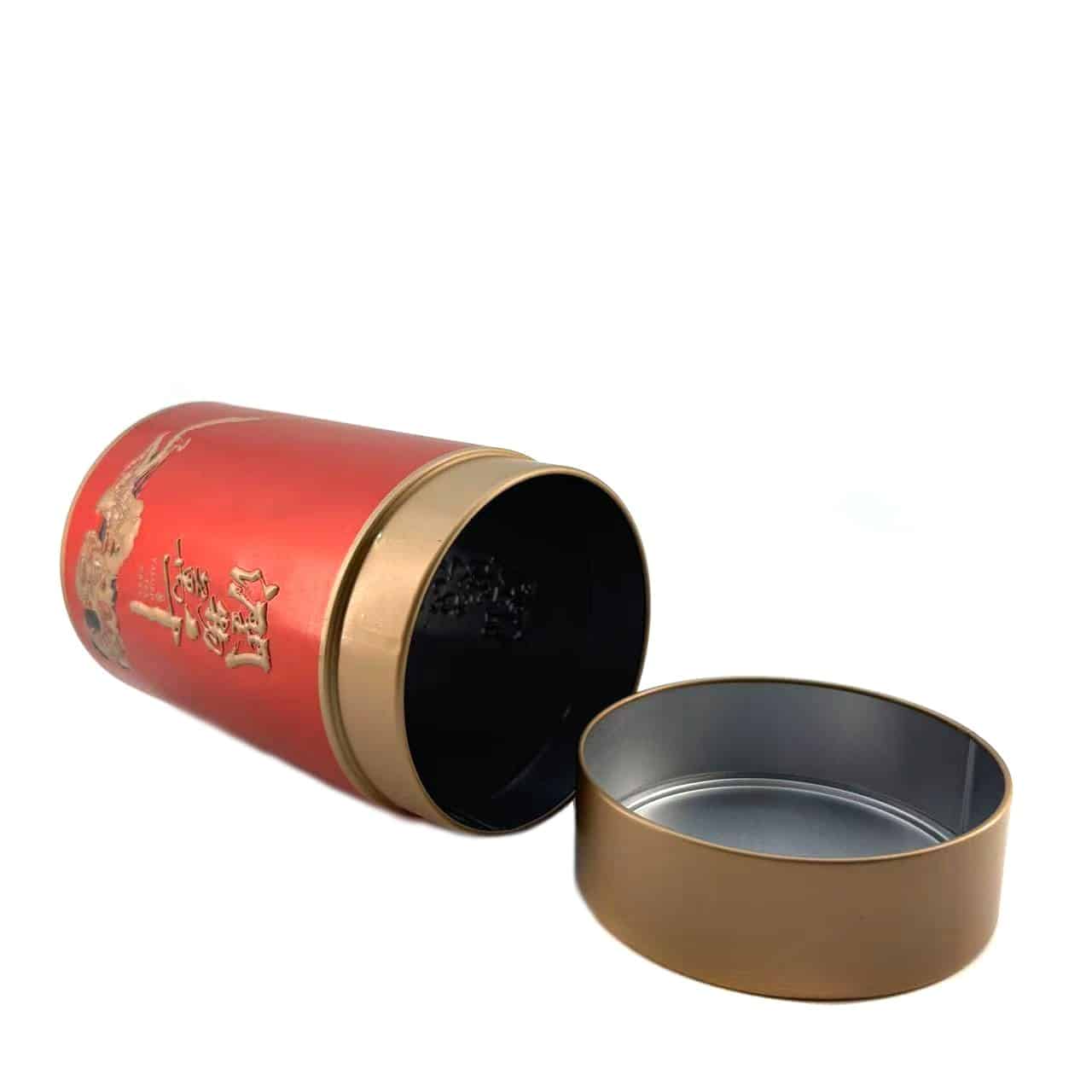
A repeat tin order should begin with a controlled reference pack, not “same as last time.” Record the approved artwork, physical sample, color and finish target, mold/structure, material and coating, components, inspection points and packing instructions. Then review every requested change before the order is released.
What belongs in the reference pack?
| Reference item | Minimum record | Why it matters |
|---|---|---|
| Commercial identity | Customer, project name, SKU and order reference | Prevents similar designs or markets from being mixed |
| Artwork | Approved master file, version/date and quantity per design | Controls copy, language, barcode and seasonal variants |
| Physical appearance | Retained sample, color chip or other agreed standard | Provides a real print and finish reference |
| Structure and tooling | Mold/part identification, dimensions, lid and components | Confirms fit and identifies any tooling review needed |
| Material and coating | Approved project specification and contact arrangement | Prevents an unrelated material/report from being assumed |
| Functional checks | Lid fit, sealing method, insert fit or other agreed test | Carries forward the actual acceptance criteria |
| Packing | Inner protection, pieces/carton, dividers, marks and pallet details | Protects the finish and supports logistics planning |
| Change log | Requested change, reason, owner and approval | Makes differences visible before production |
Control artwork and multiple versions
Keep one approved master for every active design. The record should include the artwork file name, date or revision, approved proof and quantity per version. Archive obsolete files so they cannot re-enter prepress by mistake.
Seasonal programs often contain many artworks with shared structures. Junmei can support version and color control, retained samples and repeat production, but the buyer should provide a final version matrix. A revised barcode, language line or ingredient-related statement is a new controlled version even if the main graphics look unchanged.
Preserve a physical color and finish reference
Digital files alone do not fully define a printed metal appearance. Retain the agreed sample, Pantone reference or other physical standard and record the lighting or comparison method where relevant. Note whether the design uses white undercoat, exposed metal, transparent color, matte, gloss, metallic direction, embossing or debossing.
Junmei keeps approved samples and color references to improve repeat consistency. This is a process-control commitment, not a promise of mathematically zero color difference across different material batches, dates and production conditions.
Lock the structure, components and tooling identity
Record the exact mold/format, lid type, internal dimensions, hinge or slide direction, window, handle, inner lid, insert, tray, divider and any other component. A marketing name such as “medium round tin” is not precise enough for repeat production.
Tooling should be reviewed after long gaps, design changes or a change that affects fit. If the buyer changes the product, inner bag or fill arrangement, recheck usable space even when the outer tin is unchanged.
Carry forward only the correct material and test scope
The reference pack should identify the actual tinplate and coating specification used for the project and the intended contact method. Supporting reports must be checked for material, coating, sample, date, standard and conditions. Do not carry forward a document merely because it was attached to a previous order.
Record functional acceptance points such as lid fit, opening, insert fit, air-leak method, packing drop test or vibration test. If the product, market, filler process or packout changes, determine whether the previous test still applies.
Repeat-order change review
Before confirming “repeat,” compare the new request with the reference pack:
- Has any artwork, color, language, claim or barcode changed?
- Has the product, fill volume, inner bag or insert changed?
- Has the intended market or retailer requirement changed?
- Is the material, coating or food-contact scope still appropriate?
- Has the order quantity or number of designs changed?
- Has the packing, destination or transport route changed?
- Is new sampling, proofing or testing required?
Unchanged items can follow the approved baseline. Changed items should be highlighted, costed and approved rather than silently absorbed into the old specification.
Plan capacity and timing from approvals
Junmei can arrange capacity planning around a customer’s annual purchasing cycle and support seasonal, multi-artwork and repeat-order programs. Bulk production is typically about 25 days after the required approvals and order confirmation, but quantity, complexity, tooling and factory schedule affect the actual plan. Shipping is separate.
The custom tin production workflow shows where repeat references enter production control, while the quality page explains the factory checks behind the release.
For a repeat-order review, send the previous PO/SKU, current artwork matrix, requested changes, quantity, destination and required date through the RFQ page. Junmei will compare the request with the retained references and identify which approvals can remain valid.