
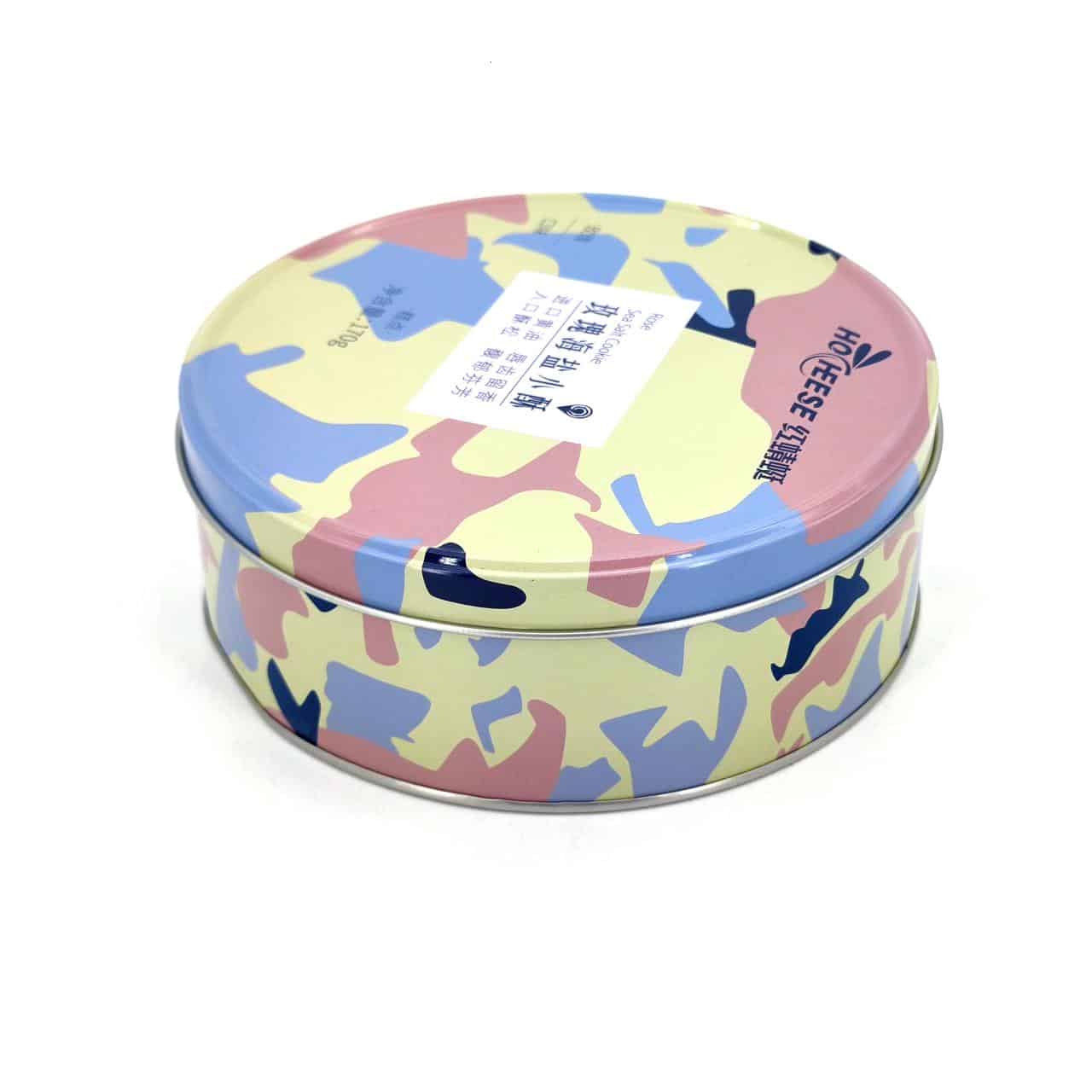
European buyers should define target countries, intended use, food-contact conditions, packaging components, artwork, transport packout and supply-chain responsibilities before approving a custom tin. Junmei can manufacture the empty tin to a controlled specification, organize available evidence and support project testing; the importer, brand and filler must confirm the final product’s applicable EU and national requirements.
European sourcing brief
| Topic | What to state at RFQ | Why it matters |
|---|---|---|
| Markets | EU/EEA countries, UK or other destinations; retailer/customer requirements | Rules, languages and documentation may differ |
| Product and contact | Product, direct/indirect contact, fill, storage and consumer use | Defines material, coating and evidence scope |
| Components | Tinplate, coating, window, seal, insert, liner, tray and outer packaging | Different components may require different review |
| Artwork | Languages, claims, barcode, recycling/packaging information and versions | Buyer controls final market-facing information |
| Evidence | Applicable framework, reports, declarations and customer protocol | Prevents unrelated documents being reused |
| Packing and transport | Carton, protection, pallets, route and delivery terms | Supports damage control and packaging-data review |
| Responsibilities | Manufacturer, filler, importer, brand owner and party placing goods on market | Makes approval and compliance ownership explicit |
Start with the food-contact framework when applicable
For food-contact projects, the European Commission identifies Regulation (EC) No 1935/2004 as the general framework for food-contact materials and Regulation (EC) No 2023/2006 for good manufacturing practice. The Commission’s food-contact materials overview also explains that national legislation can apply where specific materials are not fully harmonized at EU level.
That framework must be translated into the real project: tinplate and interior coating, plastic window or seal, liner/insert, direct or indirect food contact, food type, time and temperature. A generic “EU food grade” claim is not a substitute for that scope.
Junmei can provide available reports and support defined tests. The buyer or importer should determine the final document and declaration requirements for the countries and use concerned, with professional advice where necessary.
Include PPWR information in the packaging brief
Regulation (EU) 2025/40 on packaging and packaging waste entered into force on 11 February 2025 and generally applies from 12 August 2026. It introduces requirements and timelines affecting packaging placed on the EU market. Buyers should define which packaging-level data, design constraints, labeling or documentation they require for the finished pack and supply chain.
Junmei has PPWR-related materials and can organize project information for buyer review, but those internal materials are not currently published as a public certificate. Do not describe Junmei or every product as “PPWR certified.” The importer or party placing the final packaging on the market remains responsible for determining applicability and meeting the relevant obligations.
The European Commission has also published guidance on the application of the PPWR. Because implementation and project facts can change, buyers should use current official guidance and qualified advice rather than relying only on a supplier webpage.
Review every packaging component
Create a component list for the tin body, lid, interior coating, exterior ink/varnish, window, silicone seal, tray, divider, liner, printed insert/card and transport packaging. Mark direct food contact, indirect contact and no contact. Then connect every requested report or declaration to the appropriate component.
If the customer fills the tin in Europe, the filler should validate the real product, line handling, final closure and shelf life. Junmei normally supplies empty tins; filling, nitrogen, vacuum, final sealing and product-specific compatibility are usually completed or validated by the buyer or filling partner unless otherwise contracted.
Control artwork, language and market variants
Provide final approved text, translations, symbols, barcodes and market-specific versions. Junmei checks production feasibility and can provide basic artwork layout or practical optimization support, but the brand owner/importer approves legal copy, environmental claims and intellectual property.
For multi-country orders, use a version matrix with destination, language, SKU, barcode, quantity and approval status. Retain the approved artwork and physical color/finish reference for repeat orders. The repeat-order reference pack helps prevent obsolete versions from returning to production.
Build packing and freight data into approval
Define pieces per carton, protective layers, pallets, carton marks, shipping route and delivery terms before mass packing. Junmei can quote freight and support transport planning. Import classification, customs, duties, insurance, local delivery and any extended producer or packaging-data obligations should be assigned to the responsible buyer/importer parties.
Project-specific drop or vibration tests can be arranged against the confirmed packout. The test configuration and acceptance result should be recorded; changing the carton or insert may require review.
Final approval checklist for European buyers
- Target countries and parties placing the product/packaging on market are identified.
- Product, contact method, fill and storage conditions are documented.
- Tin structure, material, coating and all components are controlled.
- Food-contact and PPWR document requests are scoped to the project.
- Artwork, language and environmental claims are approved by the responsible party.
- Physical sample, functional checks and packout are accepted.
- Freight, importer and delivery responsibilities are written into the order.
Review Junmei’s European market support and quality and certification information as supporting factory evidence. This guide is practical sourcing information, not European legal advice.
For a Europe project review, send the target countries, product and contact method, component list, quantity, artwork versions, required documents and delivery destination through the RFQ page. Junmei will separate manufacturing evidence from buyer/importer responsibilities before quotation and sampling.