
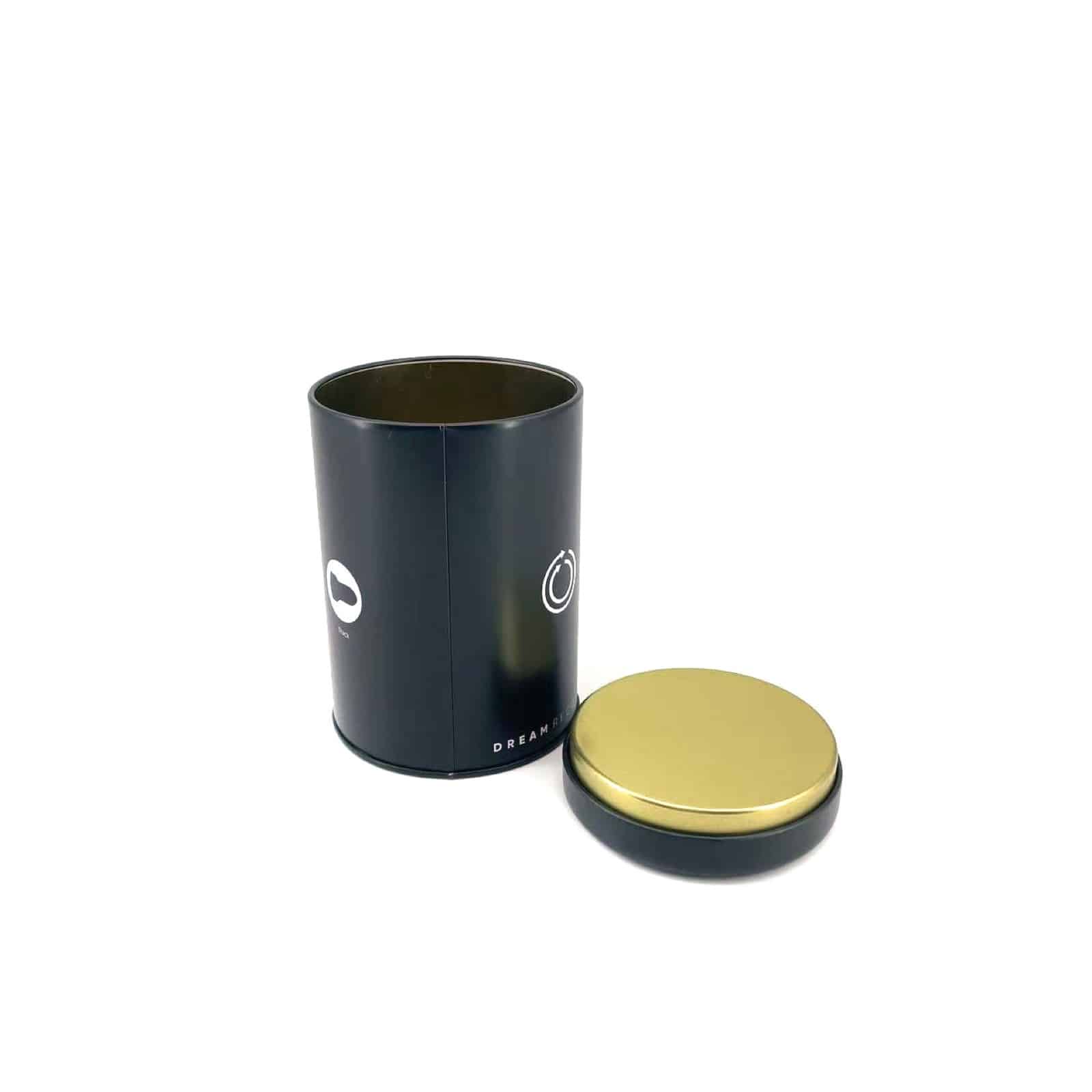
Review food-contact documents against the exact packaging system: tinplate, internal coating, lid or insert, direct or indirect contact, food type, temperature, storage and destination market. A report title or supplier logo is not enough. Confirm what was tested, under which standard and whether the result applies to the intended project.
Build the review from intended use
Start with a written use case:
- What food or ingredient will be packed?
- Will it contact the tin directly or use an inner bag, liner, paper, tray or cup?
- Is the product dry, oily, acidic, aromatic or moisture-sensitive?
- What are the filling, storage and expected shelf-life conditions?
- Which countries and customers will receive it?
- Which business is the filler, importer or party placing the final product on the market?
This information allows Junmei to match the proposed material, coating and available evidence to the project. “Food grade” should describe a defined use and review, not a blanket claim covering every food and condition.
Document review checklist
| Check | Question to ask | Warning sign |
|---|---|---|
| Issuer and date | Who issued the document, and when? | Undated file or unclear laboratory/source |
| Sample identity | What component and material was examined? | Report covers a different product, such as aluminum rather than tinplate |
| Coating/ink scope | Does the tested surface match the proposed contact side? | Coating or print system not identified |
| Standard and market | Which regulation, standard or customer protocol was used? | Generic “FDA/EU certificate” with no legal or test reference |
| Food and use conditions | Which food types, times and temperatures are represented? | No connection to intended food or conditions |
| Result and limits | What was measured, and what conclusion is supported? | Marketing wording broader than the actual result |
| Project link | Can the report be traced to the proposed specification? | File is from another material, supplier or structure |
US projects: identify the regulatory status of each component
The US Food and Drug Administration explains that food-contact substances include packaging components that contact food and provides routes for determining their regulatory status. Buyers should evaluate the actual component and intended conditions of use, rather than treating “FDA approved” as a universal product badge. Review the FDA’s food packaging information and its guidance on determining the regulatory status of food-contact material components.
The FDA also organizes food-contact review by food types and conditions of use. That is why the food, temperature and contact duration must be discussed before evidence is selected. See the FDA’s food types and conditions of use.
Junmei has FDA-related reports and can support testing required for a defined project. This must not be rewritten as “FDA-certified factory,” “FDA-approved tin” or a report that applies to every material and product.
European projects: review the framework and material-specific scope
The European Commission states that food-contact materials placed on the EU market must comply with the applicable EU rules, including the general framework and good manufacturing practice. The core framework is Regulation (EC) No 1935/2004, and Regulation (EC) No 2023/2006 addresses good manufacturing practice. The Commission also notes that national legislation can apply where material-specific EU measures are not harmonized; see its food-contact materials overview.
The buyer or importer should define target countries and obtain competent advice where necessary. Junmei can organize project information and available reports for review, but it does not replace the party responsible for the filled product or market placement.
Match declarations and reports to the bill of materials
A tin package may involve tinplate, interior coating, exterior ink/varnish, plastic window, silicone seal, tray, liner, adhesive or other components. Build a simple component list and mark which parts contact food directly, indirectly or not at all. Request documentation only after this scope is clear.
If a component changes, recheck whether the previous evidence remains relevant. A test on an aluminum bottle, one coating or one contact condition cannot establish compliance for a different tinplate package.
Responsibility should be explicit
Junmei can recommend a structure, define the manufacturing specification, provide available documentation, retain production references and support project-specific third-party testing. The buyer, brand owner, filler and importer must confirm the final food, formulation, label, filling process, shelf life, transport and applicable market obligations.
Use Junmei’s quality and certifications page to start an evidence review and the interior coating guide to prepare product conditions. This guide is practical sourcing information, not legal advice.
For a scoped document review, send the food type, contact method, target market, storage/filling conditions, proposed tin and customer checklist through the RFQ page. Junmei will identify the applicable project files and any testing that needs to be arranged.