
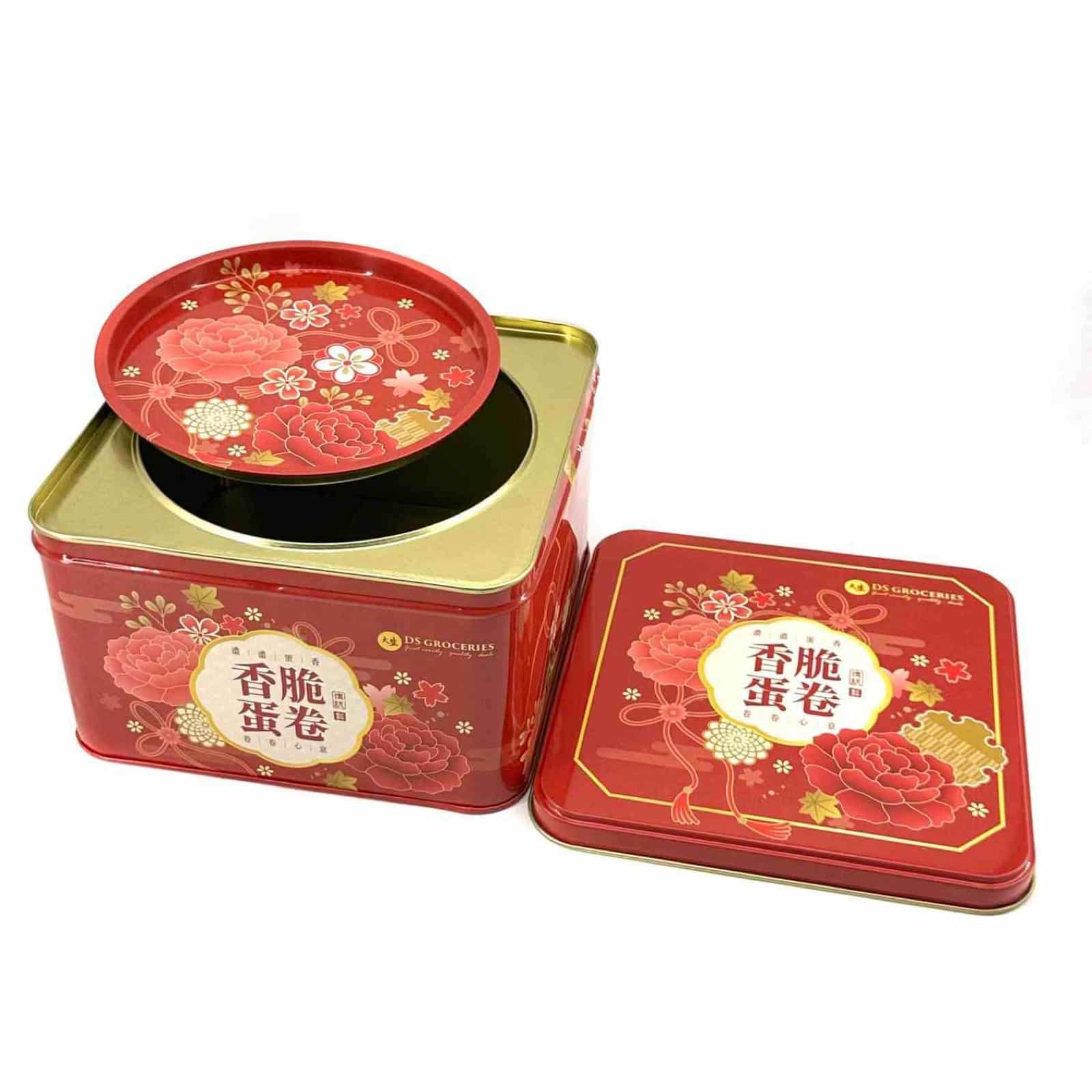
US importers should define the tin’s intended use, food-contact arrangement, product and filling responsibilities, approval evidence, packing, freight terms and delivery plan before ordering. Junmei can manufacture and document the empty tin to an agreed specification and support testing and logistics, while the importer, brand owner and filler remain responsible for the final product and applicable US requirements.
US importer project brief
| Topic | Information to confirm | Main owner |
|---|---|---|
| Product and use | Product type, direct/indirect contact, fill conditions and consumer use | Brand/filler/importer with factory input |
| Tin specification | Size, lid, components, material, coating, printing, finish and insert | Joint approval with Junmei |
| Food-contact evidence | Component identity, intended conditions of use and requested documents/tests | Importer/brand defines scope; Junmei supplies project evidence |
| Artwork and label | Final claims, copy, language, barcode and brand rights | Brand owner/importer |
| Sample and QC | Fit, function, print, finish, coating, packing and test method | Jointly defined; documented approval |
| Filling and final pack | Filling line, nitrogen/vacuum/sealing, product stability and shelf life | Buyer/filler unless separately contracted |
| Import and delivery | Importer of record, classification, freight, customs, insurance and inland delivery | Importer/logistics provider with Junmei support |
Define whether Junmei supplies an empty tin or a filled pack
Junmei normally manufactures and exports empty custom tins. The customer or filling partner usually handles the food, cosmetic or other contents, filling, nitrogen flushing, vacuum, final sealing, labeling and final-product validation. Suitable packing or filling support can be discussed for specific projects, but it must be written into the agreed scope.
This distinction affects regulatory responsibility, testing and shipping. The tin specification can be controlled by Junmei; the formulation, filled product, shelf life and consumer labeling cannot be inferred from the empty container alone.
Scope food-contact review to actual components and use
The FDA describes food-contact substances as packaging components that come into contact with food and provides several routes for establishing regulatory status. Its guidance emphasizes the component and intended conditions of use, which means buyers should avoid requesting a generic “FDA certificate.” Start with the FDA’s food packaging information for consumers and regulatory-status guidance for food-contact material components.
Provide the food type, whether contact is direct or through an inner bag/liner, fill and storage temperature and intended duration. The FDA’s food types and conditions of use are useful context for explaining why one report cannot cover every application.
Junmei has FDA-related reports and can provide available files or support testing for the defined project. Junmei does not claim that the factory or every tin is “FDA approved” or universally certified. The importer and its qualified advisors should confirm the final evidence needed.
Lock samples, specifications and evidence together
The approved project baseline should connect:
- the tin mold, dimensions and lid;
- tinplate and internal coating specification;
- direct-contact or inner-pack arrangement;
- artwork and finish version;
- insert and packing configuration;
- sample approval and any lid-fit, sealing, drop or vibration test;
- supporting report or declaration scope.
If one item changes, review the connected evidence. A document for another material, coating, product or condition should not be treated as proof for the current tin. Use the food-contact document checklist to perform that comparison.
Plan artwork and US-facing information early
The buyer controls product claims, net contents, warnings, brand assets, barcode and other market-facing copy. Junmei reviews print and forming feasibility and can provide basic artwork layout or practical optimization support. Final legal copy and label placement should be approved before the sample is released.
If different retailers or product variants use separate artwork, provide quantities by design and a controlled version matrix. This prevents one late barcode or language change from affecting the whole print plan.
Agree on export packing and freight scope
Confirm surface protection, pieces per carton, dividers, pallet requirements, carton marks and loading data. Junmei can quote freight and provide shipping support, but final cost depends on route, mode, volume, timing and delivery terms. Importer-of-record responsibilities, duties, customs clearance, insurance and inland delivery should be assigned explicitly.
The FDA also provides information for businesses importing food products into the United States. If the shipment contains filled food rather than empty tins, the importer and filler should review the relevant food-import obligations separately.
Use a gated production schedule
Samples are usually completed in 3–7 working days after the necessary specification and artwork are confirmed. Bulk production is typically about 25 days after required sample/artwork approval and order confirmation, subject to quantity, processes, tooling and capacity. Freight and customs time are separate.
Review the US market page for Junmei’s commercial support and the production workflow for approval gates. This guide is sourcing information, not US legal advice.
For a US project review, send the product/use, contact method, proposed tin, quantity, artwork status, delivery destination and importer document checklist through the RFQ page. Junmei will respond with the specification assumptions, available evidence and open responsibilities.