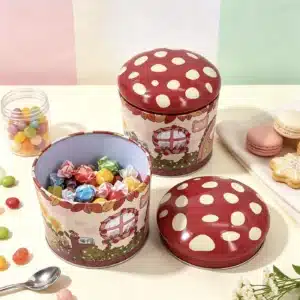
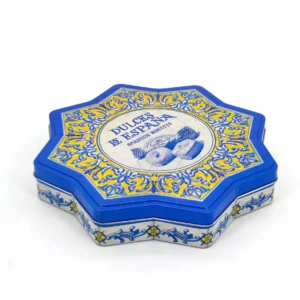
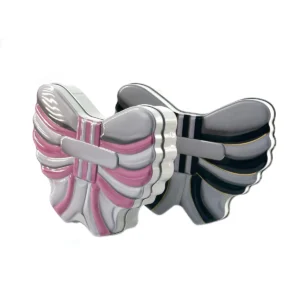
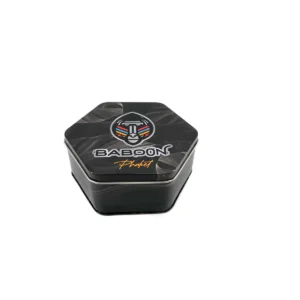
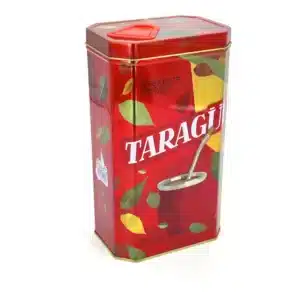
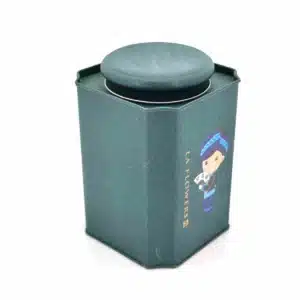
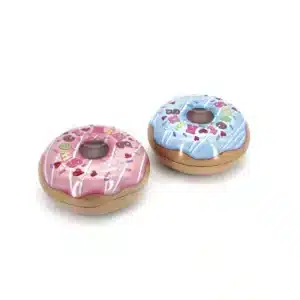
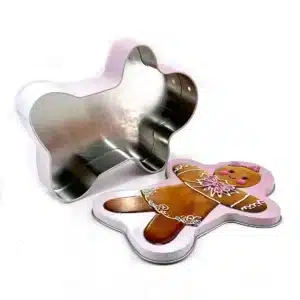
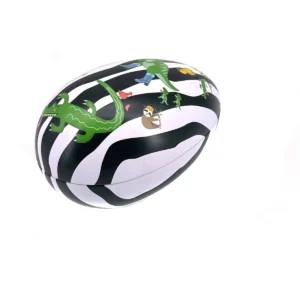
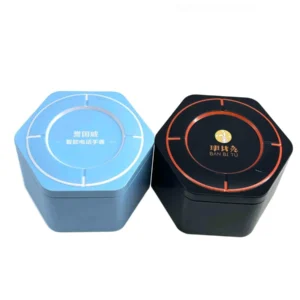
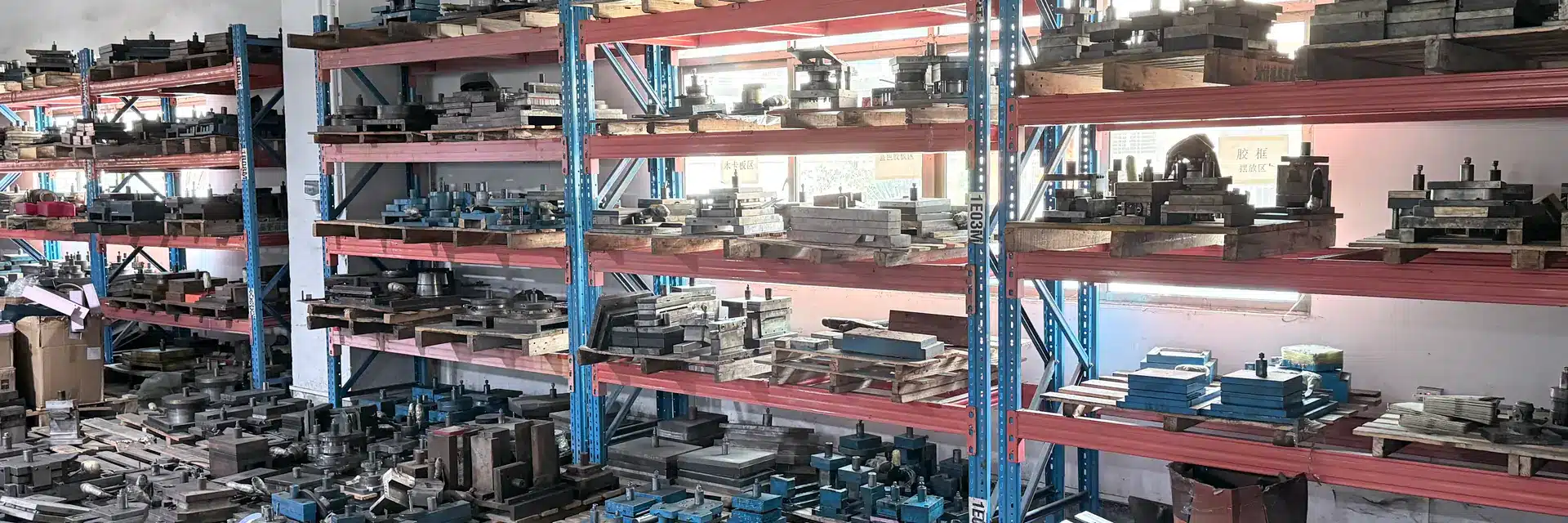
01Start with the product, brand objective and dimensioned outline.
State what the tin will hold, the required internal clearance, how it should open and which part of the outline carries the brand recognition. Provide a dimensioned top view and section, product samples or models, and the preferred standing or display orientation.
Junmei can compare existing novelty references, but a similar appearance is not automatically the same size, lid or usable cavity.
02Convert sharp ideas into formable radii and transitions.
Metal forming needs workable corner radii, draw depths and transitions. Very sharp points, narrow necks, abrupt depth changes, undercuts or isolated details may require modification, multiple components or a different opening strategy.
Junmei reviews the concept with tooling and production teams, then identifies which details can be retained, softened, embossed or represented through printing rather than making an unsupported promise that every outline is possible.
03Engineer the body and opening as a compatible pair.
The lid must engage consistently while preserving the intended silhouette and usable opening. Depending on the concept, the opening may follow the outline or use a more regular internal engagement. Hinge direction, lid depth, finger access and repeated opening all influence feasibility.
Any strict sealing or functional target requires a defined test method. Shape novelty by itself does not establish airtightness or finished-pack performance.
04Protect product fit with inserts and controlled headspace.
Special outlines often leave irregular internal areas. Junmei can evaluate trays, dividers, liners, pads, precision inserts, multi-item layouts and custom cards to support the product and presentation.
The insert should account for tolerances, removal access and transport movement. Product samples or an approved model are important when the contents must align with a character, logo or window.
05Adapt artwork to curves, seams and forming distortion.
Printed graphics stretch and change across curved transitions and drawn areas. Keep critical text, faces, logos, barcodes and alignment marks within safe regions. Embossing, debossing and windows must be coordinated with draw direction, lid engagement and structural stiffness.
Proofs and samples should be reviewed on the actual formed part. Multi-market, character or seasonal projects also need a controlled artwork-version matrix.
06Treat tooling, prototypes and validation as a gated process.
After feasibility review, Junmei defines the tooling route, sample sequence and project checks. Validation may cover outline, dimensions, lid fit, product fit, forming, print, insert assembly, packing, drop or vibration performance and other agreed functions.
Changes after tool or sample approval can affect cost and schedule. Each gate should record the approved drawing, sample, artwork and test criteria before moving forward.
07Send a complete concept brief before requesting price and timing.
MOQ starts from 3,000 pieces, while new tooling, shape complexity, versions and packing affect the final MOQ. Samples are typically 3–7 working days after specifications and artwork are confirmed for straightforward projects; new tooling and complex prototypes require a separate schedule. Bulk production is typically about 25 days after required approval and order confirmation, subject to the final project.
Send the concept image and dimensioned outline, product and packout, opening, insert, print/emboss/window direction, quantities and versions, target market, packing, test needs and delivery plan. Junmei will return a feasibility path, not a generic promise.