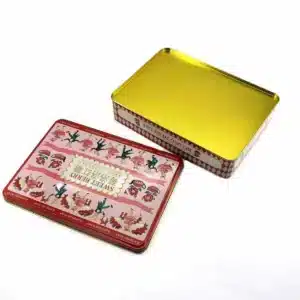
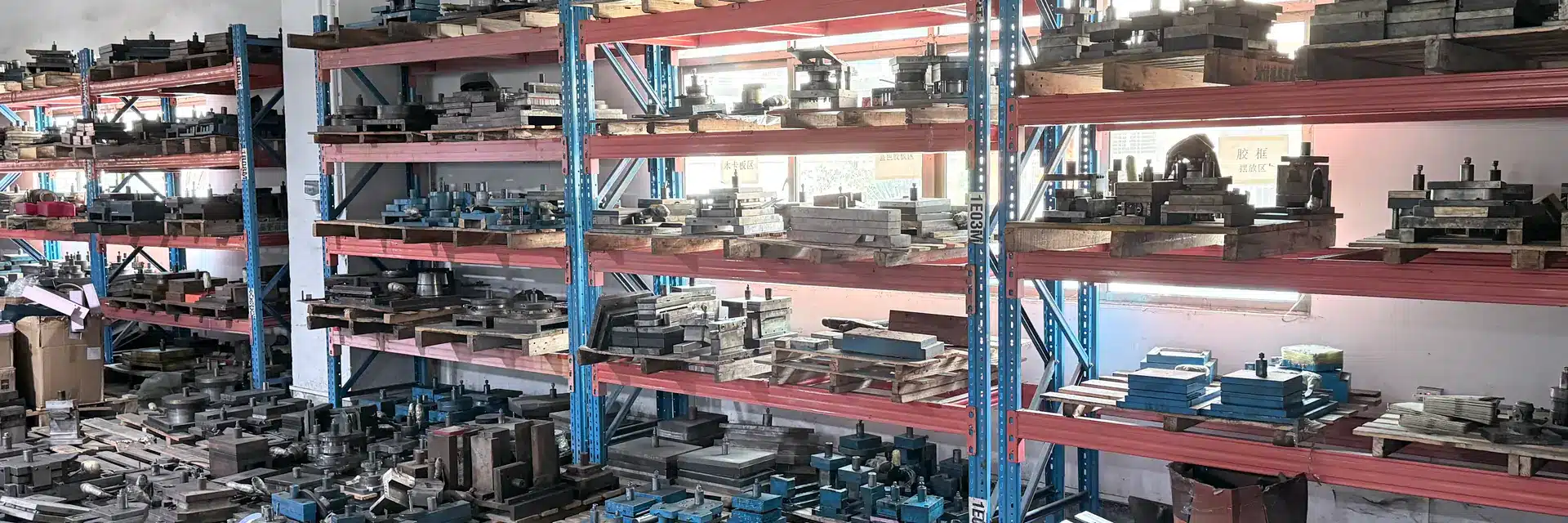
01Define the chocolate form, count and sales format.
State whether the pack contains molded pieces, truffles, wrapped chocolates, bars or a mixed assortment. Provide the target count, individual piece dimensions and weight, wrapping or paper-cup dimensions, and whether the pack is for retail, gifting, seasonal versions or refill use.
Chocolate shape and finish can change the required clearance and handling. Actual samples, accurate product drawings or approved models give a safer basis for the tin and insert than nominal piece count alone.
02Confirm usable space from the complete layer layout.
Product cards show outside dimensions. Curling, lid engagement, seams, wall taper, insert thickness and headspace reduce the usable interior. A second layer, top pad or protective paper also changes the required depth.
Send a plan view and section view when possible: pieces per row, rows per layer, number of layers, cavity or divider dimensions and required top clearance. Junmei can compare relevant formats, but final fit is confirmed from the approved packout—not inferred from external length, width or diameter.
03Select the shape, depth and opening for presentation.
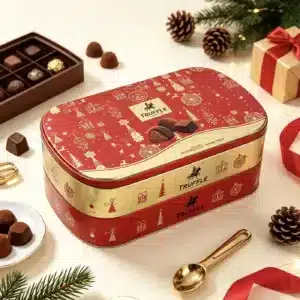
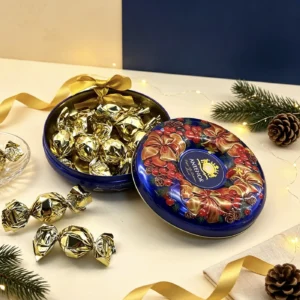
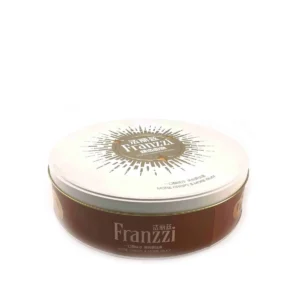
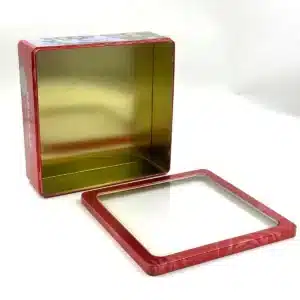
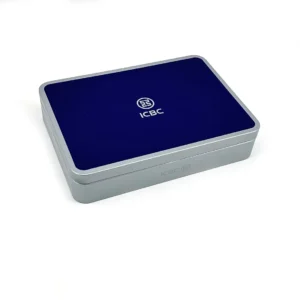
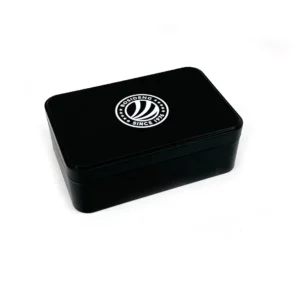
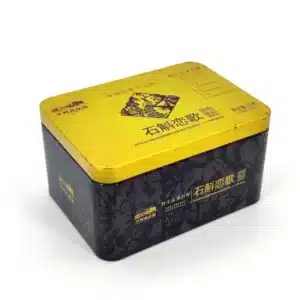
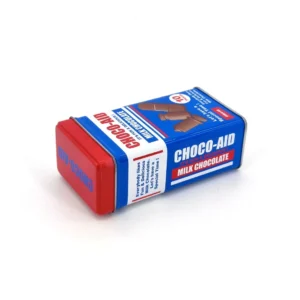
Round tins suit circular or centered assortments and continuous artwork. Square and rectangular tins support rows, grids and defined presentation panels. Special-shaped tins can strengthen a seasonal or premium identity, while requiring closer review of tray geometry, formed areas, tooling and carton use.
The lid should protect the top layer and support the intended opening experience. Final depth and closure are selected with the insert, headspace, repeated opening and distribution route rather than from shape alone.
Round tins — Circular assortments, centered presentation and continuous print. Square and rectangular tins — Rows, grids and defined tray or divider layouts. Special-shaped tins — Distinctive gift forms with closer insert and tooling review. Depth and closure — Matched to layer count, top clearance, opening and transport needs.
04Choose direct contact or an inner-pack system by product and market.
Chocolate can be packed in direct contact with the tin or with a project-specific inner bag, liner, paper, tray, cup or insert. The decision depends on the chocolate, surface sensitivity, grease management, presentation, handling and target market.
Tinplate, inner coating, contact materials and supporting documents are confirmed for the intended contents and market. A food-safe packaging capability does not mean that every existing coating, insert or tin format is automatically suitable for every chocolate formula or jurisdiction.
Review material, test and document scope →
05Engineer product restraint, headspace and transport protection.
Junmei can provide or evaluate trays, dividers, liners, pads, multi-layer arrangements and outer-carton protection. The packout should restrain movement without damaging coatings, decorations or delicate surfaces, and should leave enough top clearance for consistent lid closure.
Transport verification can be planned for the approved tin, insert, product model and carton configuration, including project-specific drop or vibration testing. The sample, method and acceptance criteria are confirmed for the order; no universal breakage rate is claimed before validation.
06Separate tin performance from chocolate temperature and stability.
The metal body can provide an opaque outer package, and the selected closure can be reviewed for lid fit and moisture-protection targets. However, chocolate temperature control, formula behavior, bloom risk, shelf life and actual product stability depend on the chocolate, filling, storage and distribution conditions.
Those product-stability controls are validated by the customer or filling partner. Junmei can review the tin, insert, contact arrangement and project-test interface, but the package should not be treated as proof of a shelf-life or temperature result by itself.
07Plan printing, versions and commercial approval together.
Junmei evaluates CMYK or Pantone spot-color printing, varnish, metallic effects, embossing and debossing against the selected structure and forming areas. If flavors, assortments, seasons or markets use different artworks on one tin, provide a version matrix and quantities before sampling.
Approved samples or color references can support version and production-color comparison for repeat orders. Final tolerances and retained-reference details remain project-specific.
MOQ Starts from 3,000 pieces. Final MOQ depends on size, structure, printing, artwork versions, insert requirements and tooling.
Samples Typically ready in 3–7 working days after specifications and artwork are confirmed. Product-fit trials, custom trays, multiple layers or tooling can change the plan.
Bulk Production Typically about 25 days after required sample or artwork approval and order confirmation. Chocolate production, temperature-controlled handling and shipping time are not included.
For a useful recommendation, send:
- chocolate type, piece count, dimensions, weight and wrapping/cup details
- rows, cavities, layers, headspace and opening sequence
- product samples, drawings or approved models when available
- direct-contact, liner, paper, tray, cup, divider or insert direction
- preferred tin shape, depth, lid and finish
- order quantity and artwork/version matrix
- target market, material-document and project-test requirements
- packing, delivery destination and required delivery date.
With these inputs, Junmei can compare relevant formats and identify what still requires fit, contact-material, insert, tooling, packing or test confirmation. Review custom development and the production sequence, or send the Chocolate project brief.